When Fame Takes a Left Turn
Imagine spending decades perfecting your life's work, only to be remembered forever for something you did on a Tuesday afternoon because you were bored. History is littered with people who achieved immortality for their side projects while their intended masterpieces vanished without a trace.
These aren't stories about failure—they're about the strange ways that legacy works, how sometimes the thing you care least about becomes the thing the world can't forget.
1. John Montagu: The Earl Who Just Wanted to Keep Gambling
What he wanted to be famous for: Revolutionary military strategies and political reform
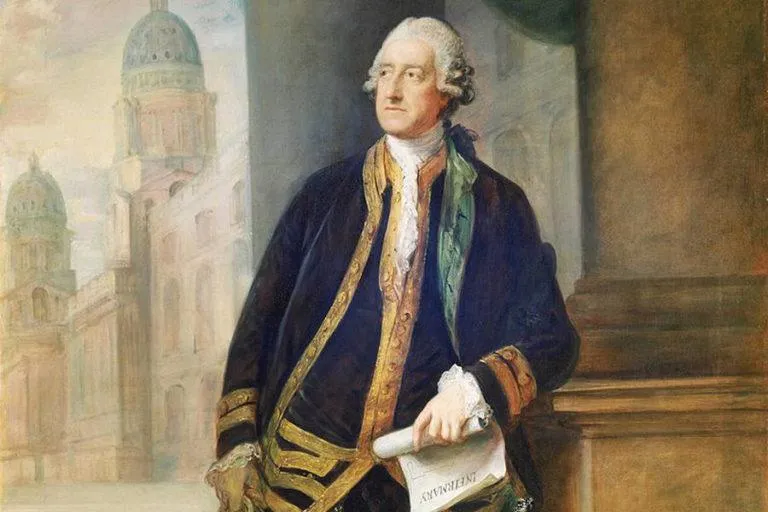 Photo: John Montagu, via allthatsinteresting.com
What he's actually famous for: Putting meat between two pieces of bread
The 4th Earl of Sandwich was a serious man with serious ambitions. He served as First Lord of the Admiralty, oversaw British naval operations during the American Revolution, and spent years developing innovative military tactics that he believed would secure his place in history.
But John Montagu had one weakness: he loved to gamble. During marathon card games, he refused to leave the table for meals, instead instructing servants to bring him roast beef slapped between two pieces of bread so he could eat with one hand and play cards with the other.
His gambling buddies started ordering "the same as Sandwich," and within a decade, every tavern in London was serving "sandwiches." Montagu's military innovations were forgotten within a generation, but his lazy lunch solution became one of the world's most popular foods.
Today, billions of people eat sandwiches daily. Almost none of them know that the Earl of Sandwich once commanded the British Navy.
2. Arthur Conan Doyle: The Doctor Who Hated His Most Famous Patient
What he wanted to be famous for: Historical novels and spiritualism advocacy
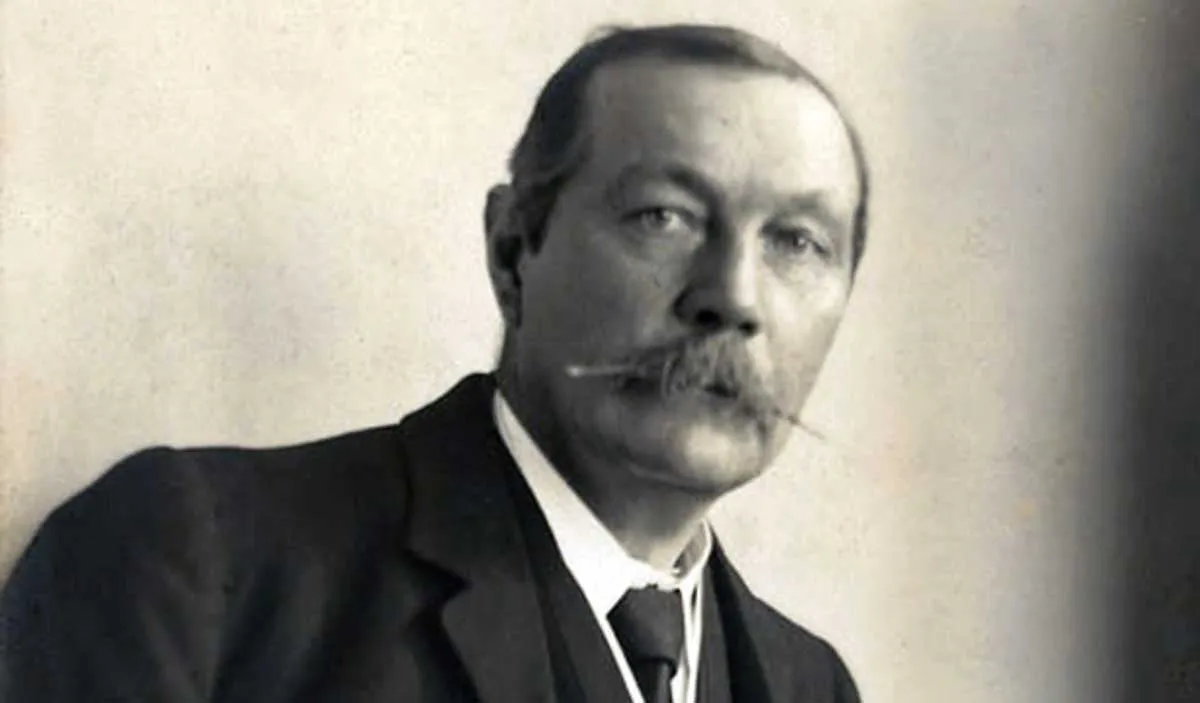 Photo: Arthur Conan Doyle, via cdn.thecollector.com
What he's actually famous for: A cocaine-using detective he tried to kill off
Arthur Conan Doyle considered himself a serious literary artist. He wrote sweeping historical novels like "The White Company" and "Sir Nigel," works he believed would establish his reputation as one of Britain's great authors. He also became passionate about spiritualism, writing extensively about communicating with the dead.
Sherlock Holmes was supposed to be a minor character in a throwaway story—easy money to fund Doyle's real writing. But readers became obsessed with the detective, demanding more Holmes stories and ignoring Doyle's "important" work entirely.
Doyle grew to hate his creation. He killed Holmes off in "The Final Problem," hoping to focus on his historical fiction. The public outcry was so intense that people wore black armbands in mourning, and Doyle eventually had to resurrect the character he despised.
"I weary of his name," Doyle complained. Meanwhile, his historical novels—the works he considered his true legacy—went out of print and stayed there.
Today, Sherlock Holmes is one of the most adapted characters in entertainment history, while "The White Company" exists mainly as a footnote in literary biographies.
3. Hedy Lamarr: The Actress Who Accidentally Invented WiFi
What she wanted to be famous for: Serious dramatic acting and film production
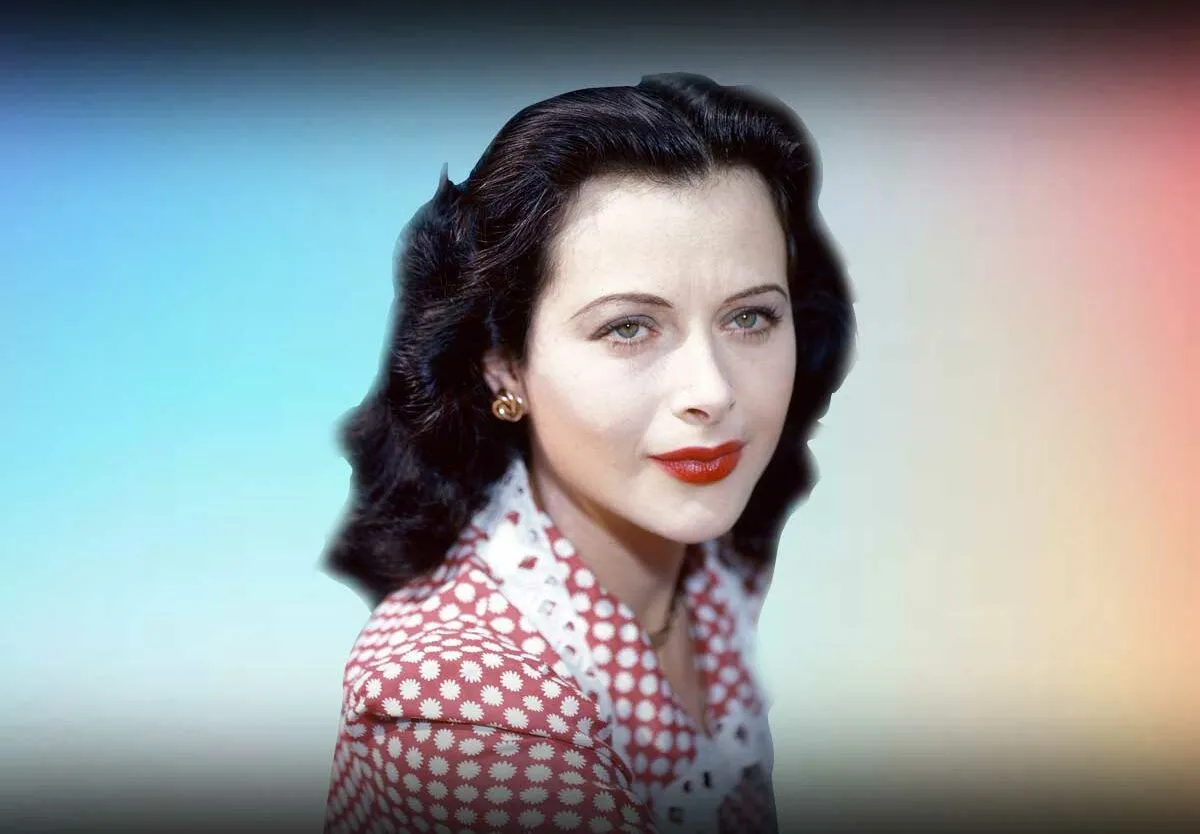 Photo: Hedy Lamarr, via nationaltoday.com
What she's actually famous for: Looking beautiful in movies (and inventing frequency-hopping technology)
Hedy Lamarr arrived in Hollywood determined to prove that beautiful women could be serious artists. She fought for better roles, started her own production company, and pushed for more complex female characters in an industry that preferred her as decorative window dressing.
But Lamarr had a secret: she was a brilliant inventor. In her spare time, she developed a frequency-hopping communication system designed to prevent the jamming of torpedo guidance systems during World War II. The technology was decades ahead of its time.
The U.S. Navy classified her invention and shelved it, while Hollywood continued casting Lamarr as the exotic beauty in forgettable films. She spent decades frustrated that no one took her seriously as either an actress or an inventor.
The twist came after her death, when engineers realized that Lamarr's frequency-hopping concept was the foundation for WiFi, GPS, and Bluetooth technology. The actress who was dismissed as "just a pretty face" had accidentally invented the wireless communication systems that power the modern world.
Today, Lamarr is finally recognized as a pioneering inventor, but most people still know her primarily for looking stunning in 1940s movies.
4. Delia Derbyshire: The Academic Who Became the Queen of Electronic Music
What she wanted to be famous for: Traditional classical composition and music theory
What she's actually famous for: Making weird noises for BBC science fiction shows
Delia Derbyshire studied mathematics and music at Cambridge, planning a career as a serious classical composer. But when she applied to work for major record labels in the 1960s, she was told that women couldn't be composers—they could only be performers or secretaries.
Frustrated but determined to work in music, Derbyshire took a job at the BBC Radiophonic Workshop, a department that created sound effects and electronic music for radio and television programs. It was supposed to be temporary—a way to pay bills while pursuing her real ambitions.
Instead, Derbyshire discovered that electronic music allowed her to create sounds that traditional instruments couldn't produce. Working with primitive synthesizers and tape machines, she composed haunting, otherworldly pieces that redefined what music could be.
Her arrangement of the "Doctor Who" theme became one of the most recognizable pieces of electronic music ever created, but Derbyshire received no credit at the time. The BBC considered electronic music to be "sound effects," not real composition.
Derbyshire spent years trying to gain recognition as a serious composer, but audiences only wanted more of her "weird" electronic music. She eventually abandoned music entirely, frustrated that her experimental work overshadowed her classical ambitions.
Decades later, electronic music pioneers cite Derbyshire as a foundational influence, and her BBC compositions are studied as masterworks of early synthesis. The "sound effects" she created reluctantly are now considered groundbreaking art.
5. Joseph Swan: The Inventor Who Got There First but Finished Second
What he wanted to be famous for: Inventing the incandescent light bulb
What he's actually famous for: Almost inventing the incandescent light bulb
Joseph Swan was a British inventor who developed a working incandescent light bulb in 1878—a full year before Thomas Edison's famous demonstration. Swan held public exhibitions of his electric lighting system and even illuminated his own home with electric bulbs.
Swan expected to be remembered as the man who brought electric light to the world. He had the patents, the working prototypes, and the public demonstrations to prove his priority.
But Edison had something Swan lacked: a genius for publicity and business development. While Swan focused on perfecting his technical designs, Edison created an entire system for generating and distributing electricity. Edison's light bulb wasn't necessarily better than Swan's, but Edison's marketing was incomparably superior.
Today, everyone knows that "Edison invented the light bulb," while Swan is remembered primarily as the guy who almost beat Edison to the punch. Swan's technical achievement was identical to Edison's, but Edison understood that invention without promotion is just an interesting experiment.
Swan spent his later years bitterly fighting for recognition of his priority, while Edison became one of America's most celebrated inventors. The irony is that Swan's bulbs were probably better than Edison's early versions—but nobody remembers the superior product, only the superior storyteller.
The Lesson of Accidental Immortality
These stories reveal something unsettling about how fame works: the world decides what you're remembered for, regardless of what you think is important. Sometimes your throwaway work resonates with people in ways your masterpiece never could. Sometimes your side hustle becomes your main thing, whether you like it or not.
The sandwich outlasted the Earl's military strategies. Sherlock Holmes overshadowed Doyle's historical novels. Lamarr's invention proved more enduring than her films. Derbyshire's "sound effects" became pioneering art. Swan's superior light bulb lost to Edison's superior marketing.
Perhaps the real lesson isn't about fame at all—it's about the unpredictable ways that creativity moves through the world, finding audiences and applications that creators never anticipated. Sometimes the thing you do for fun becomes the thing that changes everything.
And sometimes, getting famous for the wrong reasons is still better than not getting famous at all.