The Boy Who Couldn't Say His Name
In the mirror of his childhood bedroom in Scranton, Pennsylvania, a young Joe Biden practiced the same ritual every morning. He'd stand there, jaw clenched, trying to force out words that seemed to stick like molasses in his throat. "My-my-my name is J-J-Joe Biden." The stutter that plagued him made even introducing himself feel like climbing Mount Everest.
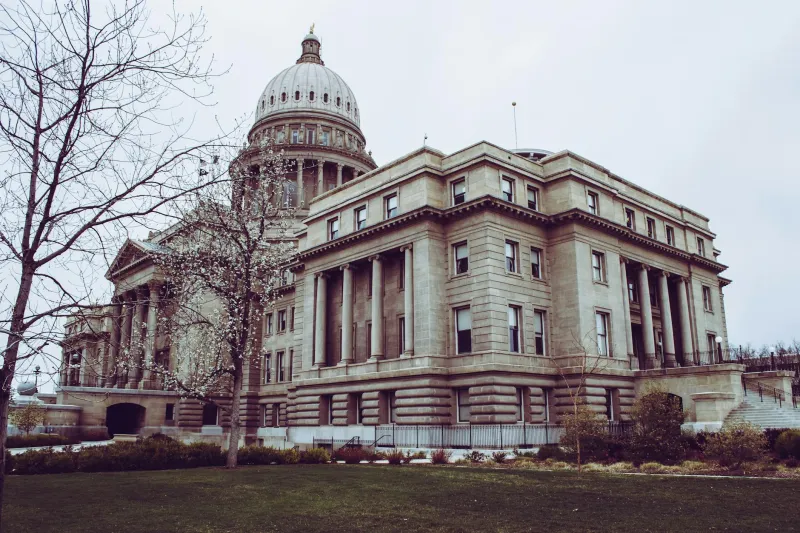
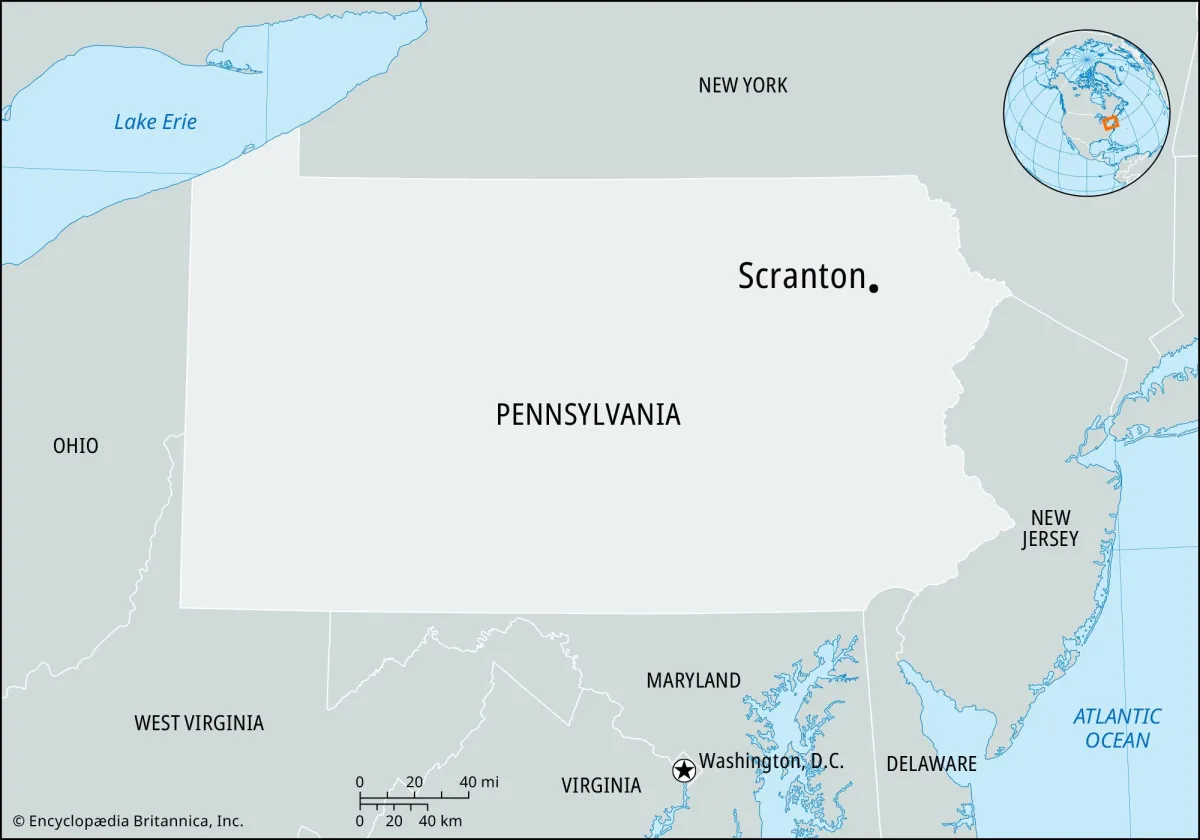 Photo: Scranton, Pennsylvania, via cdn.britannica.com
Teachers called him "Dash" because of the way his sentences came out in broken fragments. Classmates mimicked his halting speech pattern behind his back. At Catholic school, one nun told him his stutter was a punishment from God for his sins. By age ten, Biden had developed an elaborate system of substituting words—if he couldn't say "beautiful," he'd pivot to "pretty" or "gorgeous." His vocabulary became a minefield where every conversation required careful navigation.
The Poet's Prescription
While most speech therapists focused on breathing exercises and tongue twisters, Biden's father took a radically different approach. He handed his son a book of poetry and told him to memorize it—then recite it in front of the bathroom mirror. "Sing it, don't say it," his father advised.
The method was unconventional, but it worked. By finding rhythm and cadence in verse, Biden began to understand that speech wasn't just about individual words—it was about flow, timing, and emotional connection. He spent hours with Yeats, Emerson, and especially the Irish poets who seemed to understand something about the music hidden inside language.
The breakthrough came during his senior year of high school. Standing before his English class, Biden began reciting "The Ballad of Reading Gaol" by Oscar Wilde. For the first time in his life, words poured out of him like water. His classmates, who had spent years hearing him struggle through simple sentences, sat in stunned silence as he delivered Wilde's haunting verses without a single stumble.
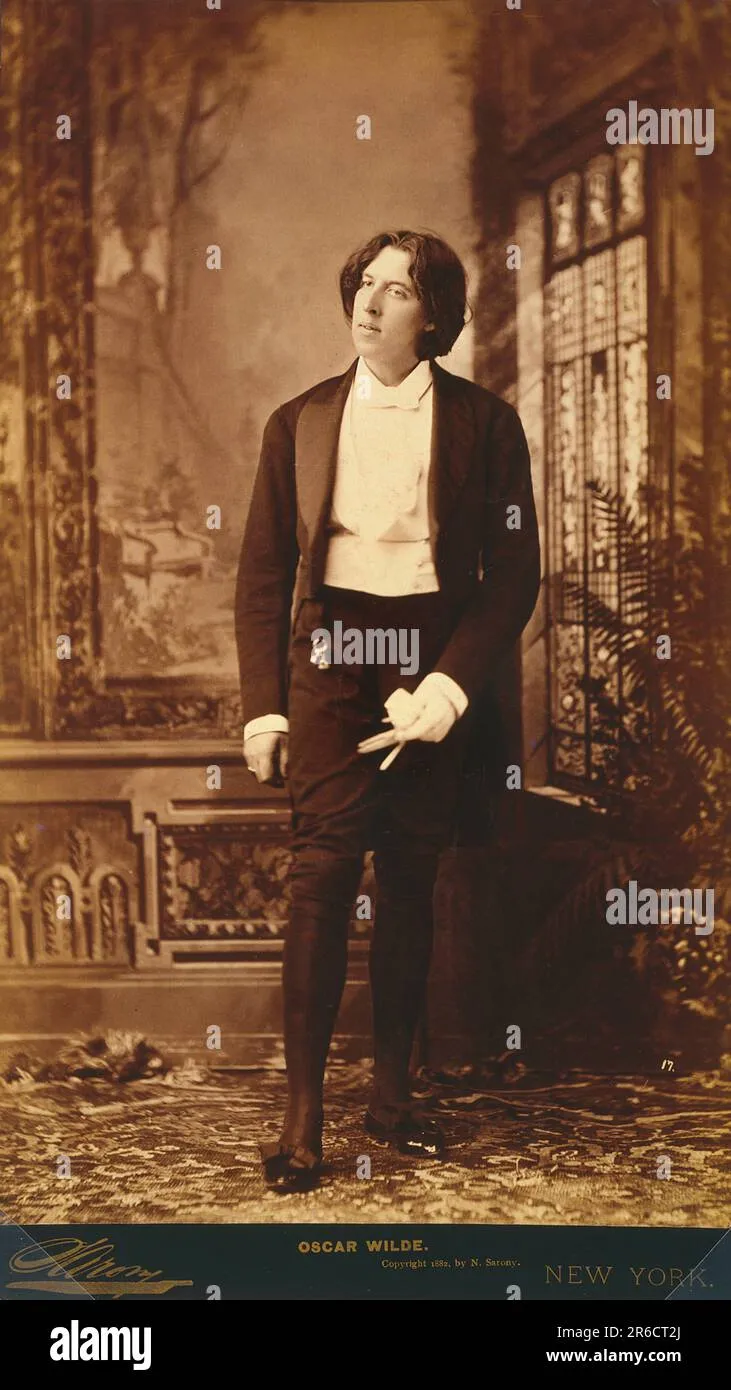 Photo: Oscar Wilde, via c8.alamy.com
The Accidental Advantage
When Biden arrived at Syracuse University's law school, professors expected the usual smooth-talking future politicians. Instead, they got something entirely different—a student who spoke slowly, deliberately, and with an intensity that commanded attention precisely because it seemed so hard-won.
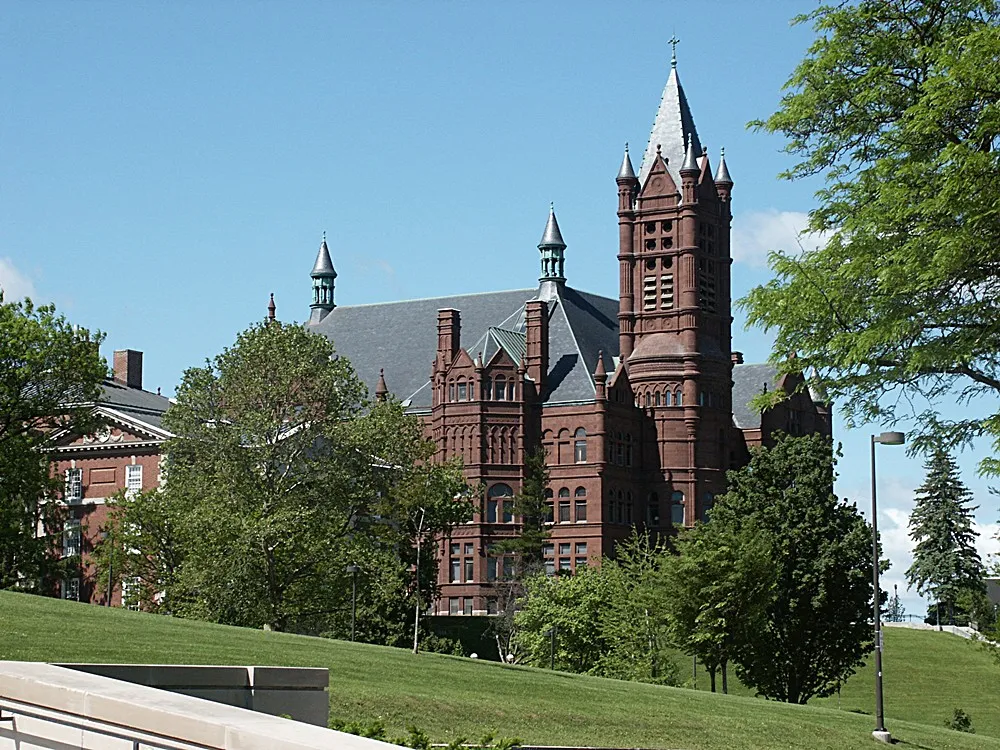 Photo: Syracuse University, via famouswonders.com
His stutter had taught him to listen before speaking, to choose words carefully, and to understand that communication was about more than just talking. While his classmates rushed through presentations, Biden's measured delivery made every word count. He had learned that silence wasn't the enemy—it was punctuation.
The real test came during his first campaign for the U.S. Senate in 1972. Political consultants told him to avoid live television and stick to prepared remarks. Instead, Biden did the opposite. He sought out town halls, impromptu conversations, and unscripted moments. His childhood struggle had given him an unusual gift: the ability to connect with people who felt overlooked or misunderstood.
The Empathy Engine
On the Senate floor, Biden's speaking style stood out like a jazz musician in a marching band. While other senators delivered rapid-fire talking points, Biden spoke with the rhythm of someone who had fought for every syllable. His pauses weren't hesitation—they were emphasis. His careful word choice wasn't uncertainty—it was precision.
Colleagues noticed that Biden had an uncanny ability to find common ground with opponents. Years of adapting his communication style had taught him to read people's reactions, to adjust his approach mid-conversation, and to find alternative ways to express the same idea. The boy who couldn't say his own name had become a master of making others feel heard.
His stutter occasionally returned during moments of high stress or fatigue, but Biden learned to embrace it rather than hide it. During heated Senate debates, he would sometimes pause, smile slightly, and say, "As I was trying to say..." The moment of vulnerability often defused tension and refocused attention on his actual message.
The Presidential Paradox
When Biden announced his 2020 presidential campaign, political pundits questioned whether his age and occasional verbal stumbles would be liabilities. They missed the deeper story: a candidate whose entire political career had been built on overcoming communication challenges was uniquely positioned to speak to a fractured nation.
During the Democratic primary debates, Biden's most powerful moments came not from polished soundbites but from his authentic responses to unexpected questions. When a young girl asked him about stuttering during a campaign event, Biden knelt down to her level and shared the techniques that had helped him—advice that went viral not because it was politically calculated, but because it was genuinely helpful.
The stammering boy from Scranton had discovered something that perfectly fluent speakers often miss: the power of earned words. Every sentence Biden delivered carried the weight of someone who understood that communication is a privilege, not a given.
The Unlikely Orator's Legacy
As the 46th President of the United States, Biden brought a speaking style to the Oval Office that defied conventional political wisdom. His speeches weren't known for soaring rhetoric or memorable one-liners. Instead, they carried something rarer in modern politics: the authenticity of someone who had fought to find his voice and refused to waste it on empty words.
Young people who stutter now point to Biden as proof that their difference doesn't have to be a disadvantage. Speech therapists use his story to show clients that the goal isn't to sound like everyone else—it's to find your own way of being heard.
The boy who once practiced his name in the mirror had become living proof that our greatest weaknesses, when faced with courage and persistence, can transform into our most powerful strengths. In a political landscape filled with polished performers, America chose the candidate who had spent a lifetime learning that the most important conversations happen when we're brave enough to speak our truth, one carefully chosen word at a time.