The Man They Never Expected to See
In January 1963, Leroy Johnson took his seat in the Georgia State Senate and made history without saying a word. For the first time in 90 years, a Black man sat among the lawmakers who governed the heart of the Old South. The newspapers called it unprecedented. His colleagues called it uncomfortable. Johnson called it Tuesday.
 Photo: Leroy Johnson, via www.margotsamel.com
But getting to that mahogany desk required a journey that started in Atlanta's poorest neighborhoods, where Johnson learned that survival meant understanding systems from the bottom up.
Learning Power From the Ground Floor
Johnson's early years were spent in manual labor—collecting garbage, working construction, doing whatever kept food on the table. While other young men his age were building careers in offices, Johnson was building something different: an intimate knowledge of how his city actually worked.
Every trash route taught him about Atlanta's neighborhoods. Every construction job showed him who had money and who made decisions. Every paycheck reminded him that the people who kept the city running had no voice in how it was run.
"I saw the city from angles that most politicians never see," Johnson would later reflect. "I knew which streets got fixed first and which ones got forgotten. I knew who lived where and what they needed."
That ground-level education became his secret weapon. While his future colleagues studied political theory, Johnson studied actual politics—the messy, personal, neighborhood-by-neighborhood reality of how power moved through a Southern city.
The Patient Revolution
By the late 1950s, Johnson had earned his law degree through night school while working days. But becoming a lawyer and becoming a senator required different kinds of courage. The first meant long hours and determination. The second meant walking into rooms where half the people wanted you to fail and the other half wanted you gone.
Johnson's strategy was patience disguised as persistence. He didn't storm the political establishment—he studied it. He attended every community meeting, learned every procedural rule, and built coalitions one conversation at a time.
"Leroy understood something that a lot of activists missed," recalled civil rights leader Julian Bond. "He knew that changing the law meant first understanding the law. And understanding the law meant understanding the lawmakers."
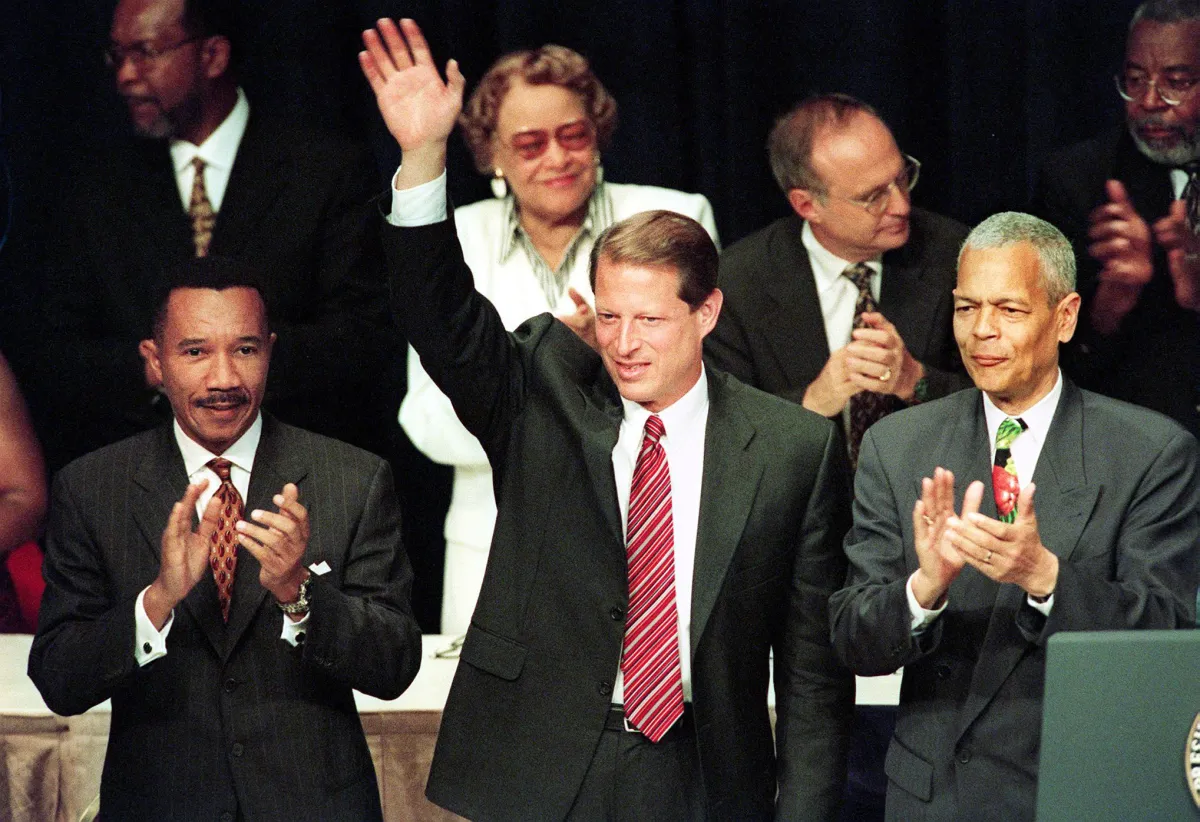 Photo: Julian Bond, via api.time.com
When Georgia's reapportionment created new legislative districts in 1962, Johnson saw his opening. The newly drawn 38th District included enough Black voters to make victory possible—if he could convince them that voting mattered and convince white voters that he wasn't a threat to everything they held dear.
The Campaign Nobody Saw Coming
Johnson's 1962 Senate campaign defied every playbook. He knocked on doors in neighborhoods where Black candidates weren't supposed to campaign. He spoke at churches that had never hosted political rallies. He promised practical solutions to everyday problems instead of grand gestures toward distant ideals.
His opponents expected anger and got pragmatism instead. They prepared for confrontation and found collaboration. Johnson talked about fixing roads, improving schools, and creating jobs—issues that mattered to voters regardless of race.
"I wasn't running to make a point," Johnson explained years later. "I was running to make a difference. Points are for debates. Differences are for people's lives."
The strategy worked. On election night, Johnson won with 54% of the vote, becoming the first Black state senator elected in Georgia since 1872.
Inside the Room That Changed Everything
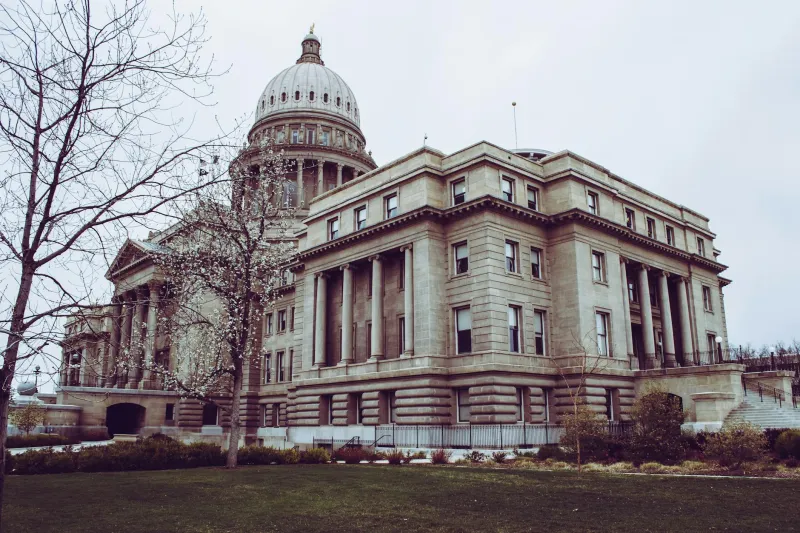
Johnson's first day in the Georgia State Senate was theater disguised as government. Television cameras captured every moment as he walked through the Capitol corridors that had been whites-only for nearly a century. Some senators shook his hand. Others looked away. A few seemed genuinely curious about what would happen next.
What happened next was work. Johnson didn't give fiery speeches about justice or stage dramatic protests against inequality. Instead, he read every bill, attended every committee meeting, and learned the intricate parliamentary procedures that turned ideas into laws.
"Leroy was the most prepared person in that building," remembered fellow senator Carl Sanders. "He knew the rules better than senators who'd been there for decades. You couldn't dismiss him or ignore him because he'd done his homework."
Johnson's legislative record reflected his practical approach. He sponsored bills to improve public transportation, expand job training programs, and increase funding for schools in underserved communities. These weren't headline-grabbing initiatives, but they were life-changing policies for the people who had elected him.
The Legacy of Quiet Revolution
Johnson served in the Georgia State Senate for 12 years, building a reputation as a master of parliamentary procedure and coalition politics. He mentored young lawmakers, regardless of race, and became known for his ability to find compromise in seemingly impossible situations.
But perhaps his greatest achievement was simply showing up every day. In a legislature that had operated for 90 years as an exclusively white institution, Johnson's presence was a constant reminder that change was not only possible but inevitable.
"Leroy didn't break down the door," civil rights historian David Garrow observed. "He picked the lock, walked inside, and made himself indispensable. That's a different kind of courage, but it's just as important."
Today, Georgia's State Senate includes lawmakers of every background, serving constituents who expect representation that looks like their communities. That transformation didn't happen overnight, and it didn't happen by accident. It happened because one man who started his career collecting garbage decided that he belonged in the room where decisions were made—and then spent years proving he was right.