The dirt road outside Meridian, Mississippi, seemed like an unlikely place to build an empire. But in 1897, that's exactly where Lizzie Bailey set up a wooden table, fired up a small oven, and began selling pies to travelers passing through.
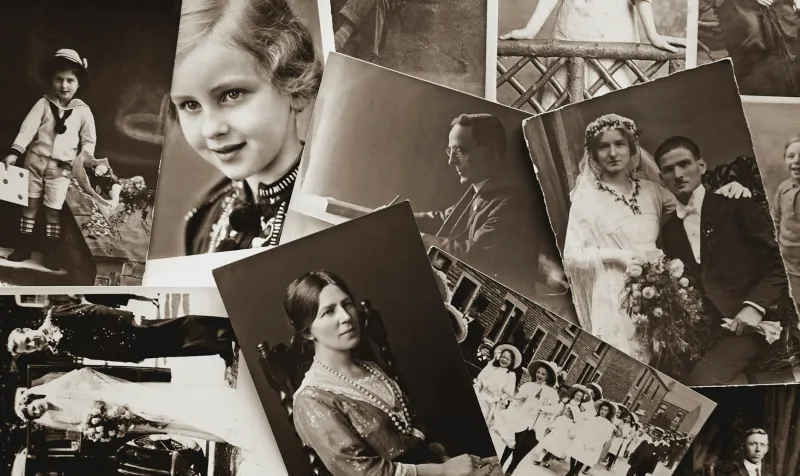
 Photo: Lizzie Bailey, via theceruleangallery.com
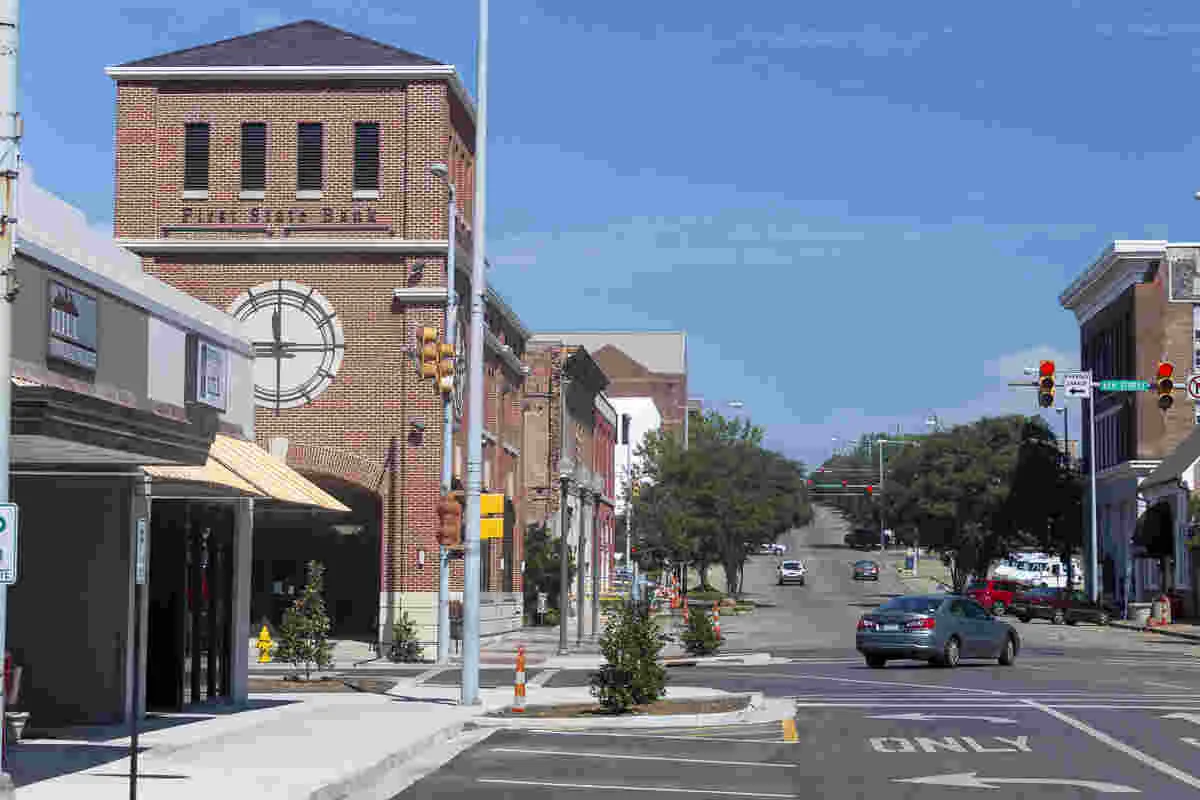 Photo: Meridian, Mississippi, via www.cabinsorcastles.com
What started as a desperate attempt to feed her family would grow into something unprecedented: a regional business network that spanned two states, employed dozens of people, and quietly funded an entire parallel economy that the white establishment never saw coming.
Bailey's story has been almost entirely erased from mainstream business history, surviving only in church records, family oral histories, and the fading memories of communities she helped build. But piecing together her remarkable life reveals not just one woman's extraordinary achievement, but an entire chapter of American entrepreneurship that has been systematically overlooked.
The Pie Stand That Started Everything
Elizabeth "Lizzie" Bailey was born into poverty in 1869, just four years after the end of slavery. Her parents were sharecroppers who barely scraped by, and when her husband abandoned her with three young children in 1896, she faced a choice between destitution and innovation.
The main road between Meridian and Birmingham saw steady traffic—farmers heading to market, traveling salesmen, workers moving between jobs. Bailey noticed these travelers often went hungry, with few places to stop for a decent meal between towns.
She borrowed five dollars, bought flour and sugar, and set up her pie stand at a crossroads where the Birmingham road met the local market route. Her sweet potato pies, made from a recipe her grandmother had perfected during slavery, became legendary among regular travelers.
But Bailey wasn't content to just sell pies. She watched, she listened, and she learned. She discovered which travelers were reliable, which ones had money, and which ones needed services beyond food.
Building Networks in the Shadows
Within two years, Bailey had expanded beyond pies. She was providing lodging for Black travelers who couldn't stay in white establishments, selling groceries to local families, and even operating an informal postal service for communities the official mail system ignored.
More importantly, she was building relationships. Every customer became part of a growing network of trust and mutual support. She extended credit to reliable customers, took orders for goods she'd deliver on future trips, and gradually became a central figure in the economic life of rural Black communities across eastern Mississippi and western Alabama.
By 1905, Bailey had saved enough to buy the land where her original stand sat. But instead of just expanding that location, she did something remarkable: she began franchising her concept to other Black women.
She would identify promising locations along travel routes, find local women who needed income, and help them set up their own food stands using her recipes and business methods. She provided initial supplies on credit and took a percentage of profits until the loan was repaid.
The Empire Hidden in Plain Sight
By 1915, Bailey's network included more than 20 food stands across Mississippi and Alabama. But that was just the visible part of her operation. Behind the scenes, she had created something much more sophisticated: a parallel economy that served Black communities excluded from white-owned businesses.
She was operating a lending service for Black farmers who couldn't get bank loans. She had established supply chains that brought goods directly to rural communities at fair prices. She was providing employment, training, and business opportunities for dozens of women who had no other options.
Most remarkably, she was doing all of this while remaining almost completely invisible to white authorities. Her businesses were small enough individually to avoid attention, but collectively they represented a significant economic force.
Local newspapers occasionally mentioned "the colored woman who sells pies on the Birmingham road," but they never understood the scope of what Bailey had built. To them, she was just another vendor. To Black communities across two states, she was a lifeline.
The Philanthropist Nobody Knew
As Bailey's wealth grew, she began investing in her communities in ways that would make modern philanthropists envious. She funded the construction of three rural schools, provided scholarships for promising students, and helped establish churches in communities that couldn't afford them.
But she did it all quietly, often anonymously. Church records from the period show mysterious donations from "a friend of education" or "a sister in Christ" that local historians now believe came from Bailey.
She understood that visible wealth would make her a target in the Jim Crow South. So she lived modestly, dressed simply, and let others take credit for the institutions she funded. The schools she built were officially founded by local ministers or teachers, not by the woman who actually paid for them.
The Network That Survived Her
Bailey died in 1934, but the business network she created continued operating for another two decades. The women she had trained carried on her methods, and the communities she had served maintained the economic relationships she had established.
It wasn't until the 1960s, when desegregation began opening other opportunities, that Bailey's network finally dissolved. By then, it had provided economic stability for hundreds of families and had funded educational opportunities for thousands of children.
Yet when civil rights historians began documenting Black business achievement, Bailey's story was already fading. The women who remembered her were aging, the records were scattered across rural communities, and the very success of her strategy—remaining invisible—meant there were few official documents to preserve her legacy.
The Economy History Missed
Bailey's story matters because it represents something much larger than one woman's success. She was part of a vast network of Black entrepreneurs who created parallel economies throughout the Jim Crow era—businesses that served their communities while remaining largely invisible to the dominant culture.
These entrepreneurs developed sophisticated strategies for building wealth, creating employment, and funding community institutions without attracting hostile attention from white authorities. They proved that exclusion from mainstream economic systems didn't have to mean exclusion from prosperity.
More importantly, they demonstrated that business success and community investment weren't separate goals—they were mutually reinforcing strategies that strengthened both individual enterprises and entire communities.
Lessons from the Forgotten Empire
In our current era of social entrepreneurship and impact investing, Bailey's approach feels remarkably modern. She understood that sustainable business success required building strong communities, that profit and social responsibility could work together, and that real wealth meant creating opportunities for others.
She also understood something that many modern entrepreneurs miss: sometimes the most powerful strategy is to build quietly, to let your work speak louder than your publicity, and to measure success not just in personal wealth but in community transformation.
The dirt road where Lizzie Bailey first set up her pie stand is now a paved highway. The communities she served have been transformed by decades of change. But the principles she demonstrated—that entrepreneurship can be a tool for community building, that business networks can create social change, and that extraordinary achievement often happens in the most ordinary places—remain as relevant today as they were more than a century ago.
Her story reminds us that the most important chapters of American business history aren't always found in the official records. Sometimes they're preserved in family memories, church documents, and the fading recollections of communities that were built by people the history books forgot to mention.