The Hungarian Failure Who Accidentally Built Napa Valley
The Man Who Couldn't Succeed at Anything
Agoston Haraszthy arrived in Wisconsin in 1840 with the kind of boundless optimism that marks both great entrepreneurs and spectacular failures. A Hungarian nobleman fleeing political upheaval in Europe, he possessed that dangerous combination of grand vision and complete inexperience with American business practices.
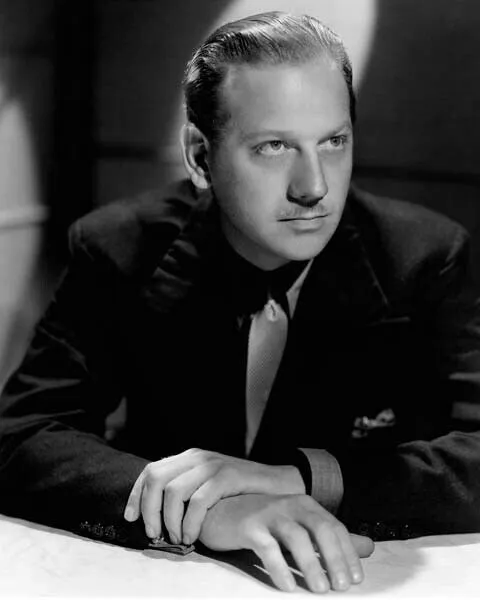
 Photo: Agoston Haraszthy, via sdmagyar.org
His first venture was a sausage-making operation in Sauk City, Wisconsin. It failed. Then he tried running a steamboat ferry across the Wisconsin River. That failed too. He dabbled in real estate speculation, attempted to establish a town called Haraszthy (modest, right?), and even ran for local political office. Each endeavor collapsed more dramatically than the last.
By most measures, Haraszthy was a walking disaster. By 1849, he was nearly broke, widely considered a dreamer whose schemes consistently outran his abilities. What nobody realized was that each failure was teaching him exactly what he needed to know for the one thing he was born to do.
The Gold Rush Detour
When news of California gold reached Wisconsin, Haraszthy saw his chance for redemption. Like thousands of other fortune-seekers, he packed up his family and headed west in 1849. Unlike most forty-niners, he wasn't particularly interested in mining. Instead, he looked at California's climate and soil and saw something else entirely: the Mediterranean.
Haraszthy's European background gave him an eye for agricultural potential that most American settlers lacked. While others saw empty hills and scrubland, he recognized terrain that could support the kind of viticulture he'd known in Hungary. The problem was, he had no money, no established reputation, and a track record of failure that would make any investor run screaming.
So he did what serial entrepreneurs do: he started small and bet everything on his instincts.
The Accidental Education of a Wine Pioneer
Haraszthy's early California ventures followed his established pattern of ambitious failure. He tried his hand at various businesses, each teaching him more about the local market while depleting his resources. But something different happened when he planted his first experimental vineyard near San Diego in 1850.
The vines thrived.
For the first time in his American experience, Haraszthy had stumbled onto something that worked. But being Haraszthy, he couldn't just be satisfied with modest success. He began importing European vine cuttings, experimenting with different varieties, and pushing the boundaries of what California wine could become.
His fellow settlers thought he was crazy. California wine in the 1850s was rough stuff, suitable mainly for local consumption. The idea that it could compete with European vintages seemed absurd. But Haraszthy's years of failure had taught him to ignore conventional wisdom — after all, conventional wisdom had never worked for him anyway.
The Great Vine Import
In 1861, Haraszthy convinced the California Legislature to fund an extraordinary mission: he would travel to Europe and bring back the finest vine cuttings he could find. It was the kind of grand, impractical scheme that had marked all his previous failures. This time, it worked.
Haraszthy returned from Europe with 100,000 vine cuttings representing 350 different varieties. He had collected samples from France, Germany, Italy, and Spain — essentially importing the genetic foundation of European winemaking to American soil. The cost was enormous, the logistics were nightmarish, and most experts predicted the whole enterprise would fail.
Instead, it transformed California agriculture forever.
The Failure's Greatest Success
What made Haraszthy's wine venture succeed where his previous businesses had failed? Paradoxically, it was precisely because he had failed so often before. His string of unsuccessful enterprises had taught him several crucial lessons:
First, he'd learned not to fear failure itself. When you've already lost everything multiple times, the prospect of another setback becomes manageable rather than paralyzing. This psychological freedom allowed him to take risks that more "successful" businessmen wouldn't dare.
Second, his failures had taught him to focus on fundamentals rather than flashy marketing. His sausage business had failed partly because he'd focused on expansion before perfecting his product. With wine, he obsessed over quality first, knowing that reputation would determine long-term success.
Most importantly, his trail of failures had given him a deep understanding of what American consumers actually wanted, as opposed to what he thought they should want. This market knowledge proved invaluable when positioning California wine as a legitimate alternative to European imports.
Building an Industry From Nothing
By the 1860s, Haraszthy's Buena Vista Winery had become the largest wine operation in California. More importantly, the vine varieties he had imported were spreading throughout the state as other growers recognized their potential. The Zinfandel grape, which would become synonymous with California wine, was among his European imports.
Haraszthy didn't just build a successful business — he created an entire industry. His willingness to experiment with different grape varieties, his focus on quality over quantity, and his vision of California as a world-class wine region established patterns that would define American winemaking for generations.
The man who had failed at everything else had accidentally discovered his life's work.
The Entrepreneur's Paradox
Haraszthy's story illustrates a fundamental truth about entrepreneurship: sometimes you have to fail at everything else before you find the one thing you're meant to do. His early failures weren't obstacles to his eventual success — they were essential preparation.
Each failed venture had taught him something about business, about markets, about his own capabilities and limitations. The sausage business taught him about production and quality control. The ferry operation taught him about logistics and customer service. The political campaigns taught him about persuasion and public relations.
When he finally found his calling in viticulture, he brought all these hard-won lessons to bear. The result was an enterprise that succeeded not despite his previous failures, but because of them.
The Legacy of a Beautiful Failure
Agoston Haraszthy died in 1869, probably eaten by an alligator while exploring Nicaragua for new business opportunities. Even in death, he managed to be dramatic and slightly ridiculous. But his legacy was secure: he had given California the genetic foundation for a wine industry that would eventually rival any in the world.
Today, when you sip a glass of California Zinfandel or tour the vineyards of Napa Valley, you're experiencing the result of one man's spectacular trail of failures. Haraszthy proved that sometimes the best way to succeed is to fail so completely at everything else that you have no choice but to stumble into your destiny.
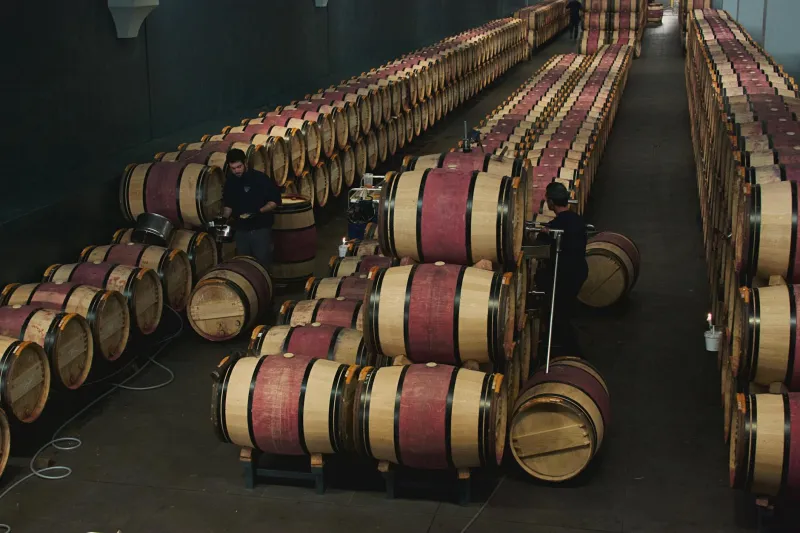
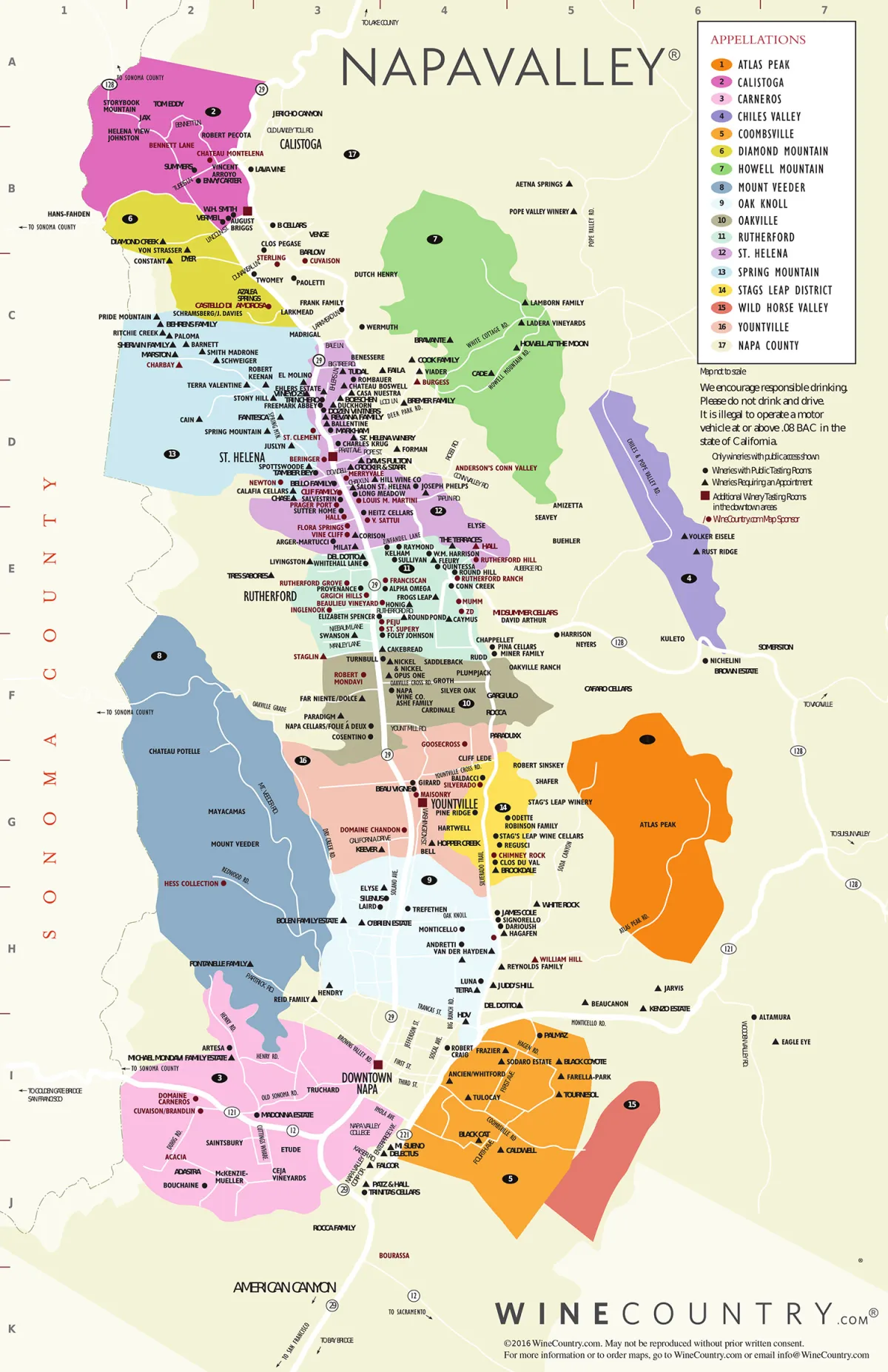 Photo: Napa Valley, via s3.amazonaws.com
The Hungarian nobleman who couldn't make sausages work accidentally became the father of American wine. It's the kind of beautiful, unlikely success story that could only happen to someone with nothing left to lose.