Wrong Person, Right Moment: Five Times History Picked the Understudy

The Strange Grace of Being Second Choice
History has a peculiar sense of humor. We spend enormous energy studying the great figures who shaped events — their preparation, their vision, their iron will — and almost no time noticing the person who showed up because the original appointment fell through.
But some of history's most consequential moments were delivered by people who weren't supposed to be there at all. Not understudies groomed for their moment. Not backup plans anyone had thought through. Just ordinary people — sometimes panicked, sometimes barely briefed, occasionally still adjusting their collar — who stepped into a spotlight that wasn't meant for them and somehow lit the room on fire.
Here are five of them.
1. The Farmer Who Finished Lincoln's Sentence
By November 1863, Edward Everett was the most celebrated orator in America. When the organizers of the Gettysburg dedication ceremony needed a keynote speaker, they went straight to him — and he delivered, in the truest sense. His address ran for two hours and covered, by most accounts, everything worth saying about the battle, the nation, and the stakes of the war.
Abraham Lincoln was a late addition to the program. An afterthought, really — invited almost as a courtesy, expected to offer a few ceremonial remarks. His speech ran 272 words. It took roughly two minutes to deliver. Accounts differ on whether the crowd even applauded before he sat back down.
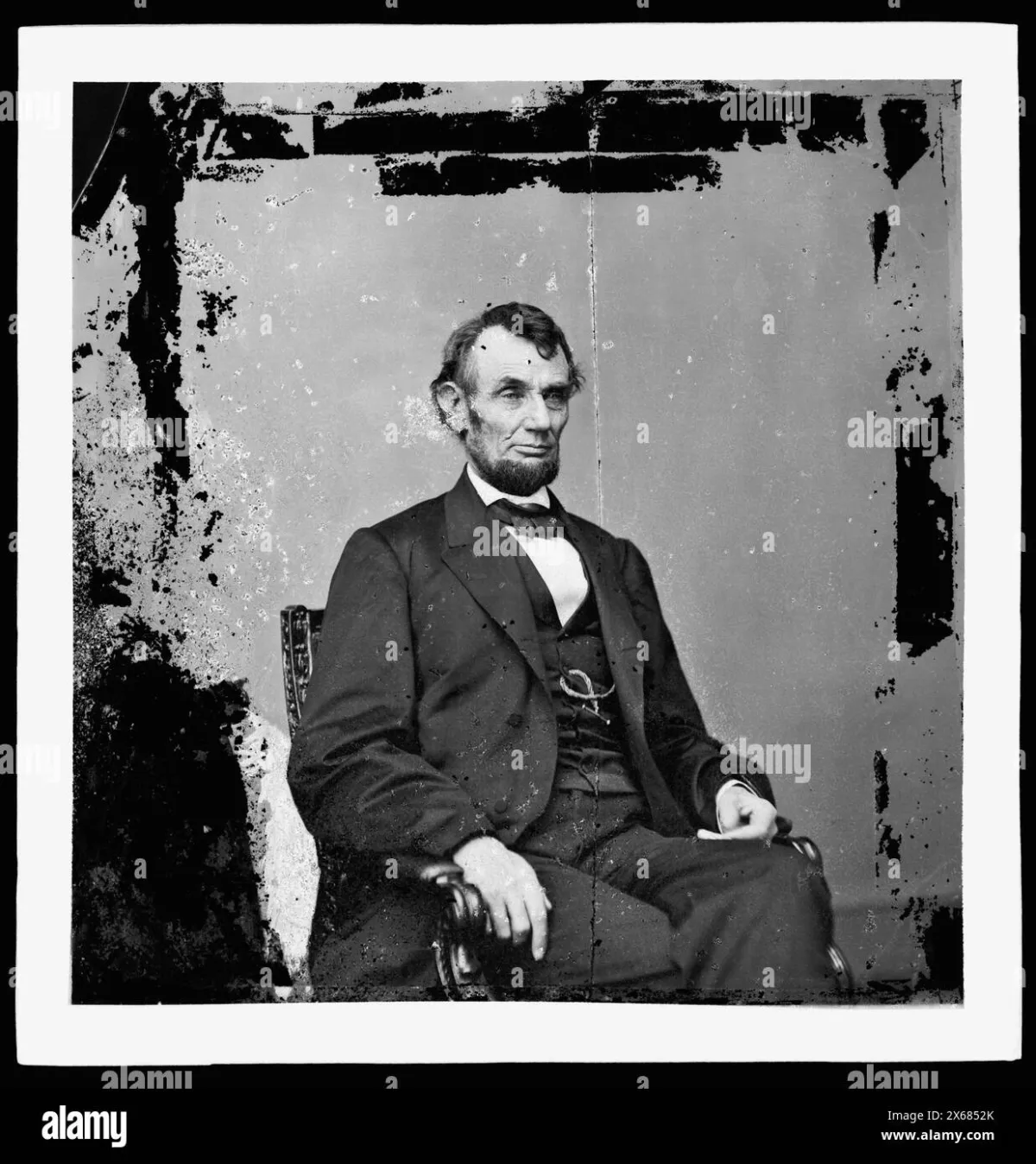 Photo: Abraham Lincoln, via c8.alamy.com
Everett's speech has been almost entirely forgotten. Lincoln's ten sentences are carved into stone across the country.
The lesson isn't that brevity beats length, though it often does. It's that the person the room is waiting for isn't always the person the room needs.
2. The Accidental Ambassador in Reykjavik
In October 1986, the Reykjavik Summit between Ronald Reagan and Mikhail Gorbachev came closer to eliminating nuclear weapons than any meeting before or since — and it nearly happened because a mid-level State Department interpreter was the only one in the room who could keep up with Gorbachev's increasingly rapid, increasingly unscripted proposals.
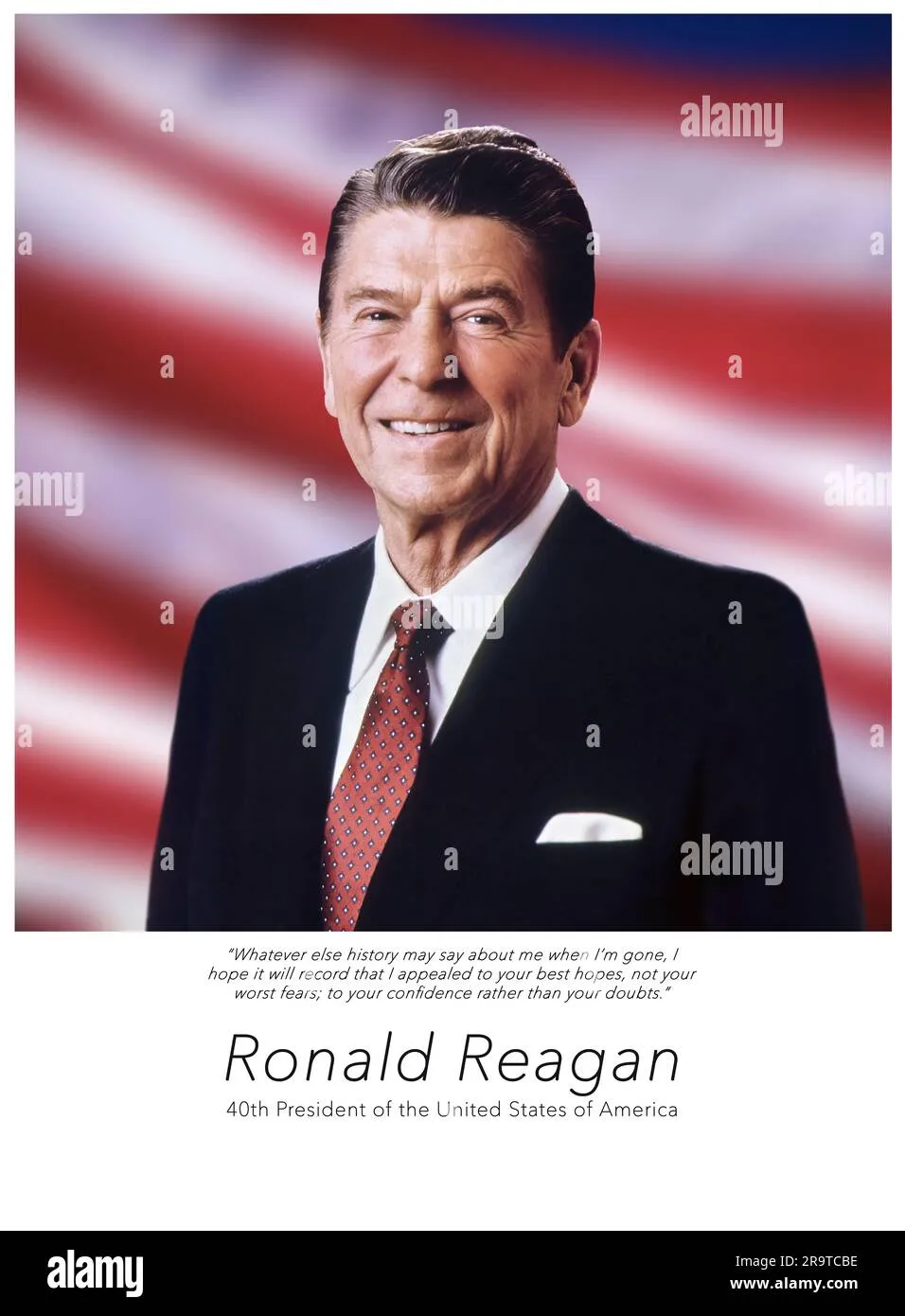 Photo: Ronald Reagan, via c8.alamy.com
The official record focuses on the leaders. The quieter story is about the translator who hadn't been briefed on the specific arms proposals being floated in real time, improvised terminology that didn't yet exist in formal diplomatic language, and somehow kept both delegations in the same conversation. When the summit collapsed — over Reagan's refusal to abandon the Strategic Defense Initiative — the failure was diplomatic. But the near-success was partly linguistic: one person threading an impossible needle between two men who barely spoke the same language in any sense.
Some historians argue the talks got further than they should have precisely because the translation was so fluent it made agreement feel possible. Whether that's credit or blame depends on your politics.
3. The Understudy Who Made Broadway History
In 1959, a young actress named Lorraine Hansberry was watching rehearsals for A Raisin in the Sun when one of the leads fell ill days before opening night. The replacement — a relatively unknown performer who'd been hovering on the production's edges — stepped in and delivered a performance that critics would later call one of the most fully realized debuts in Broadway history.
But the stranger glory isn't the performance itself. It's what the emergency did to the production. The substitute, unencumbered by weeks of rehearsal habits, brought a rawness to the role that the original blocking hadn't anticipated. Directors adjusted around her. Other cast members responded to something they hadn't expected. The production, by opening night, was genuinely different — and by most accounts, genuinely better.
The understudy's name has drifted from most retellings. The play endures. That asymmetry is its own kind of history.
4. The Backup Pitcher Who Invented a Record
In Game 5 of the 1956 World Series, Don Larsen was not the Yankees' intended starter. Larsen had been pulled early in Game 2 after a disastrous performance, and manager Casey Stengel's decision to hand him the ball again surprised almost everyone in the stadium, including, reportedly, Larsen himself — who reportedly didn't know he was starting until he found a baseball in his warm-up shoe that morning.
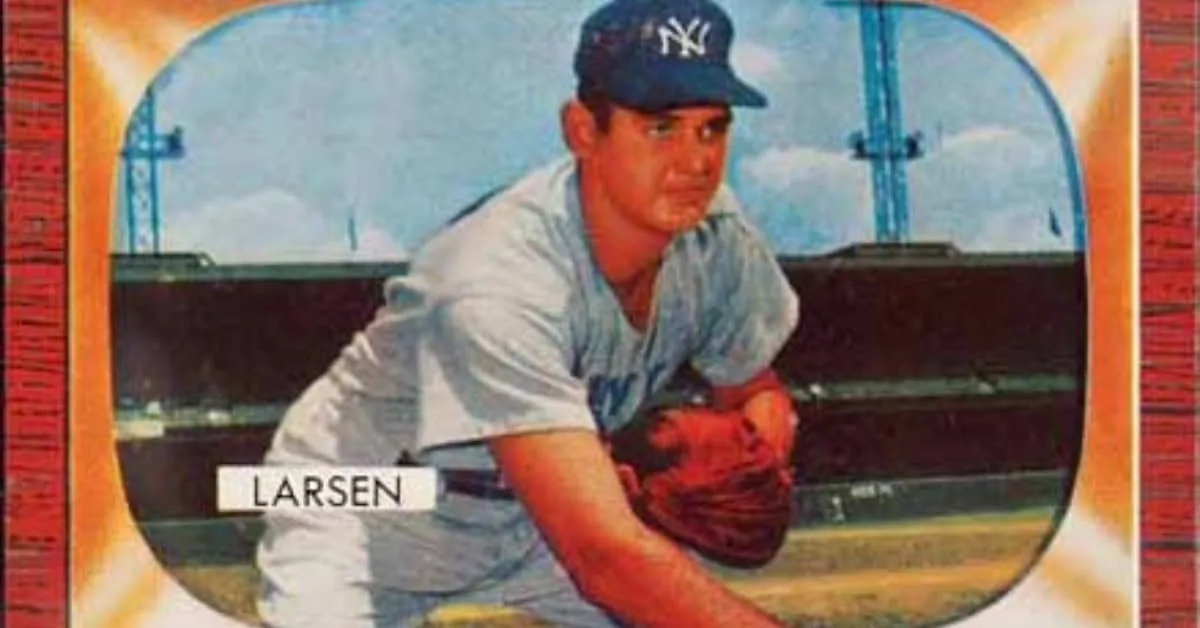 Photo: Don Larsen, via cdn.fastpixel.io
What followed was the only perfect game in World Series history. Twenty-seven batters. Twenty-seven outs. No hits, no walks, no errors.
Larsen never pitched another postseason game of particular note. He finished his career with a respectable but unremarkable record. But for one afternoon in the Bronx, the man nobody had fully trusted delivered the most pristine performance in the history of his sport.
The baseball is in Cooperstown. The warm-up shoe story might be apocryphal. The perfect game is not.
5. The Stenographer Who Stepped Up in Philadelphia
When Gouverneur Morris was tasked with editing the final draft of the U.S. Constitution in September 1787, he wasn't the Committee of Style's first choice. He was available, he was fast, and he had a gift for compression that the committee desperately needed.
What Morris actually did in those few days is still debated by constitutional scholars. He reorganized clauses, sharpened language, and — most controversially — is believed by many historians to have inserted the phrase "We the People" as the document's opening, shifting its character from a compact between states to a declaration by citizens.
If that's true, the most famous three words in American civic life were written by a man who was filling in, working quickly, and making judgment calls that nobody had explicitly authorized.
We built a country on an understudy's editorial instincts.
What the Understudies Knew
These five stories don't share a moral so much as a texture. None of these people were unprepared in the deepest sense — each brought genuine skill to their moment. But none of them arrived carrying the weight of expectation, the rehearsed certainty, the settled confidence of someone who knew they were the main event.
And maybe that's exactly why they delivered.
When you're not supposed to be there, you don't perform. You just do the thing. And sometimes, doing the thing without the performance is precisely what the moment required all along.