She Walked Into the Darkness on Purpose: How Nellie Bly Turned Her Own Suffering Into America's Conscience
Photo: Steve Shook from Moscow, Idaho, USA, CC BY 2.0, via Wikimedia Commons
The Assignment Nobody Would Give Her
Elizabeth Jane Cochran had already figured out that the newspaper business had exactly one use for a young woman in 1887: writing about fashion and flower shows. She had other ideas.
She'd landed at the New York World under Joseph Pulitzer with ambition that outpaced her byline, and she'd been pushing for something real — something that required courage rather than a press pass and a polite interview. What she proposed to her editor, John Cockerill, was either the most audacious piece of undercover journalism ever attempted by an American reporter or a death wish dressed up as a scoop.
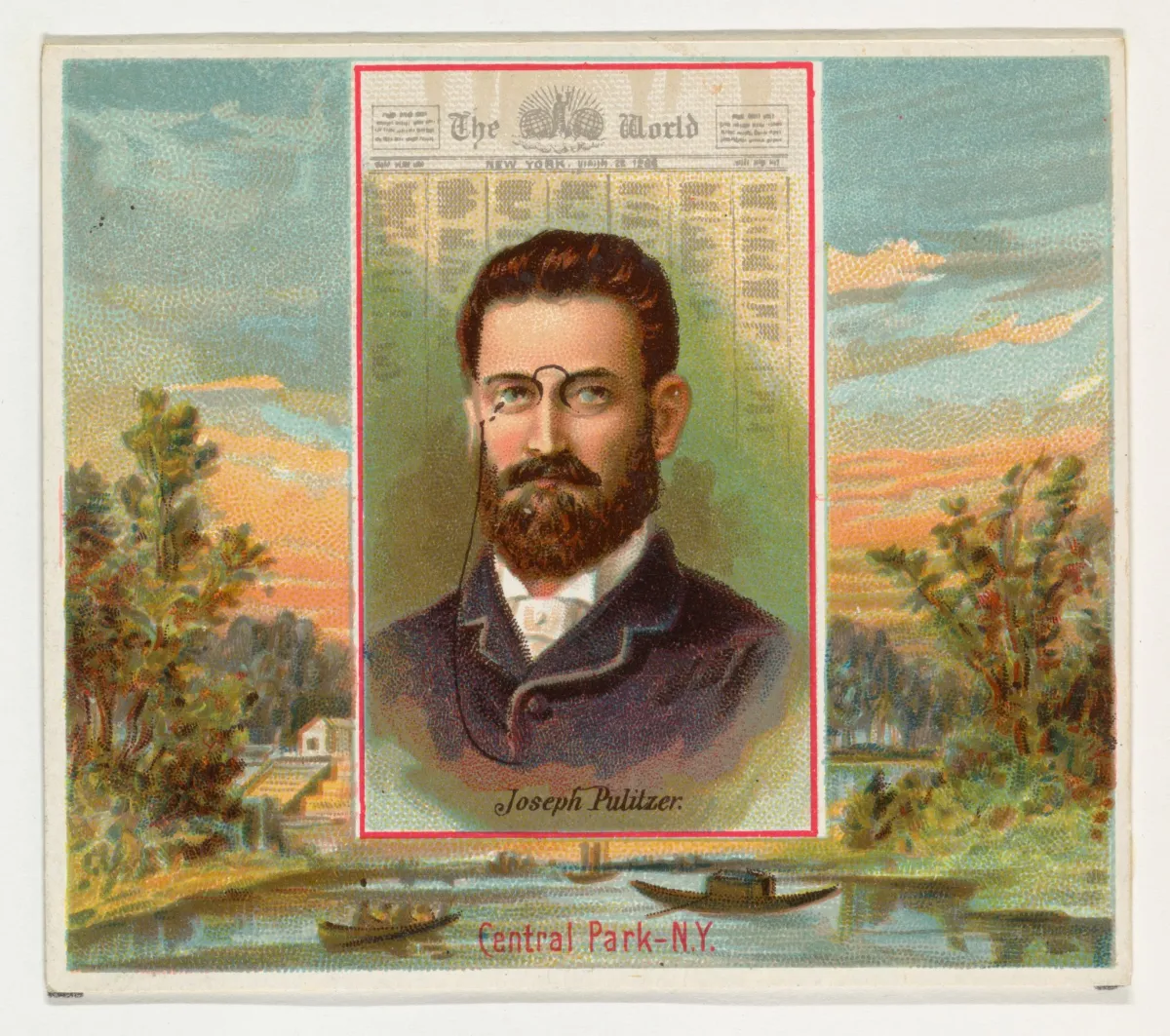 Photo: Joseph Pulitzer, via usercontent.one
She would fake insanity. She would get herself committed to the Women's Lunatic Asylum on Blackwell's Island — the institution that swallowed New York's most vulnerable residents and rarely gave them back. She would document everything from the inside. And she would come home.
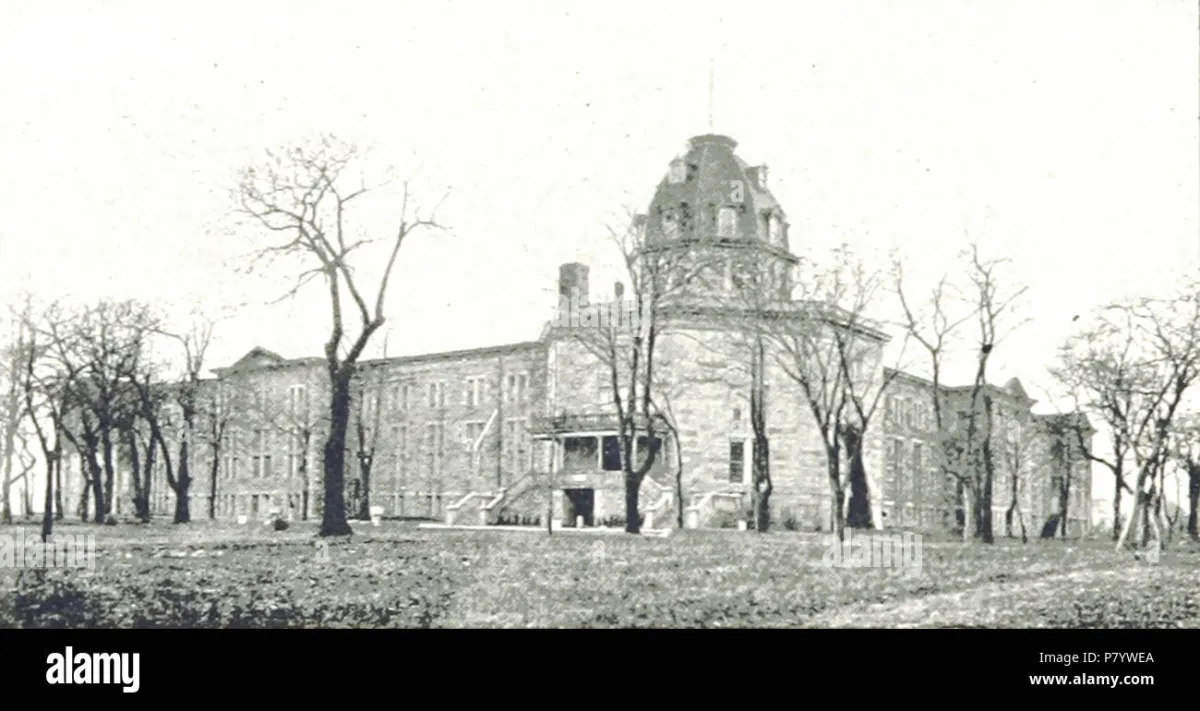 Photo: Blackwell's Island, via c8.alamy.com
Cockerill said yes. Probably because he didn't fully believe she'd pull it off.
Learning to Look Lost
The preparation was methodical and quietly terrifying. Cochran — writing under the pen name Nellie Bly — practiced her performance in a boarding house mirror: the vacant stare, the disoriented speech, the particular blankness of someone whose grip on reality had loosened. She studied the behaviors that physicians and judges used to classify women as mentally unfit, and she calibrated her act accordingly.
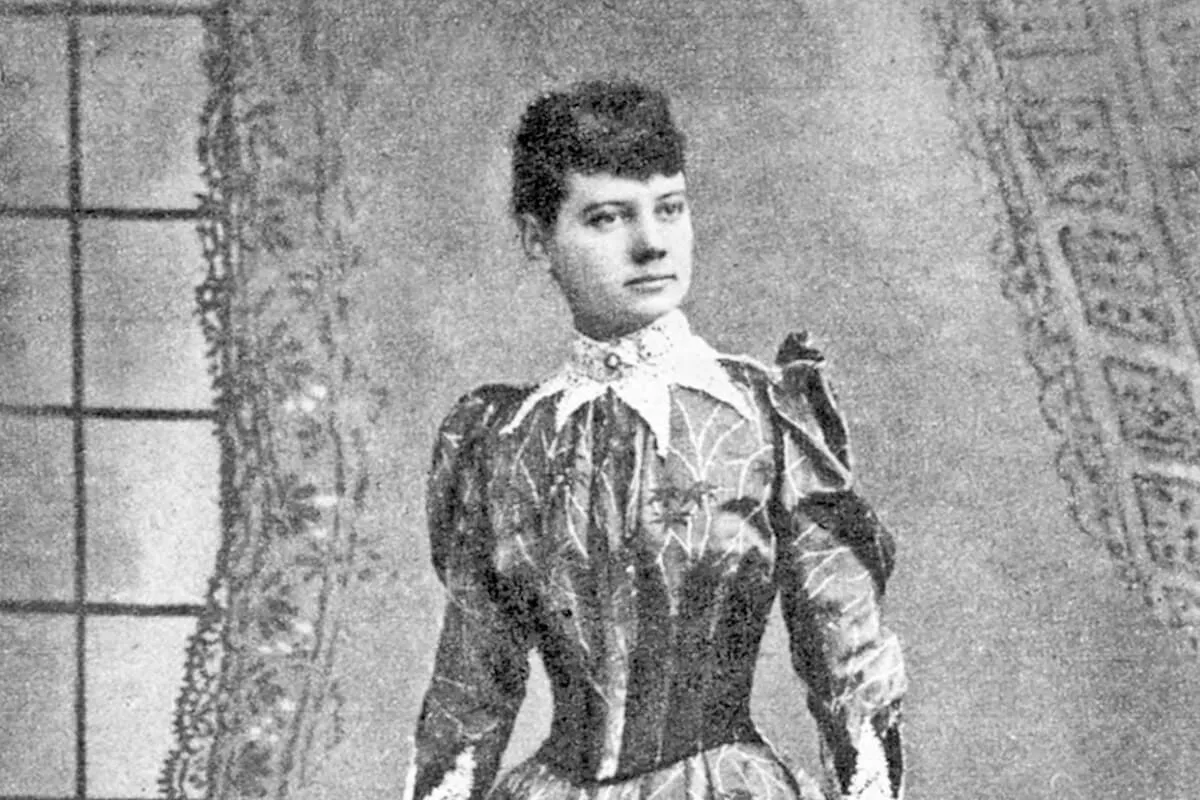 Photo: Nellie Bly, via miro.medium.com
What she was doing, though she may not have framed it this way, was conducting a masterclass in how easily the system could be gamed — and therefore how arbitrarily it operated. If a healthy, lucid young woman could convince doctors, judges, and institution administrators that she belonged in an asylum, what did that say about the women already inside?
She checked into a boarding house under a false name, behaved strangely enough to alarm the other residents, and within days was standing before a judge who declared her insane. The diagnosis took minutes. Several physicians examined her. All agreed. None were correct.
She was taken to Blackwell's Island by boat, crossing the East River into what she would later describe as a world designed for one purpose: to ensure that no one who entered would ever be believed again.
What She Found Inside
The asylum was cold in ways that had nothing to do with temperature.
Bly documented the conditions with the precision of someone who understood that her notes would need to withstand scrutiny: the rotten food, the ice-cold baths administered as routine rather than punishment, the nurses who beat patients who couldn't defend themselves, the doctors who spent so little time with the women in their care that diagnosis and treatment were effectively fictional.
She watched women who seemed entirely lucid — immigrants who spoke little English and had been committed simply because they couldn't communicate with the officials processing them, women whose only crime was being poor and inconvenient — trapped in the same system that was holding her.
The cruelty wasn't theatrical. That was the worst of it. It was bureaucratic, habitual, bored. Nobody was cackling. Nobody was performing villainy. The nurses were underpaid and undertrained. The doctors were overscheduled and indifferent. The institution was simply a machine that processed human beings into silence, and it had been running so long that nobody thought to question whether it should.
Bly thought to question it. She thought of little else.
Getting Out
Ten days in, a lawyer from the World arrived and secured her release. She walked out carrying notes she'd memorized rather than written — there was no way to take physical records out safely — and sat down to reconstruct everything she'd experienced before the details could blur.
The resulting series, published in the World under the title Ten Days in a Mad-House, was a sensation. Not the polite, drawing-room kind of sensation that made people murmur over breakfast. The kind that made people angry in public.
New York's Department of Public Charities and Correction launched an investigation. A grand jury convened. City officials who had overseen Blackwell's Island for years found themselves explaining decisions they'd never expected anyone to question. Within months, the city had increased the asylum's budget by more than a million dollars — an enormous sum in 1887 — and implemented reforms that improved conditions for thousands of patients.
The reforms weren't perfect. The system wasn't dismantled. But the conversation had permanently changed, because Bly had made it impossible to claim that no one knew.
The Price of Being the Story
What's easy to lose, a century and a half later, is the specific courage of what Bly actually did.
She was twenty-three years old. She had no professional standing that would protect her if something went wrong. She was walking into an institution specifically designed to ensure that its residents couldn't be believed — and she was doing it knowing that if her cover held too well, if the World's lawyer couldn't get to her, she might simply stay. Women had disappeared into Blackwell's Island for less.
She used her own body as the instrument of investigation. Her fear, her discomfort, her deliberate exposure to abuse — these weren't incidental to the story. They were the story. There was no version of this reporting that didn't cost her something real.
And she did it anyway, because she understood something that took investigative journalism decades to fully articulate: that some truths can only be reached by someone willing to go where the story actually lives.
The Stranger Glory of Unprotected Courage
Nellie Bly went on to circle the globe in 72 days, to cover the Eastern Front in World War One, to interview anarchists and kings. She became one of the most famous journalists in America, and she remained, throughout, someone who preferred the story that scared her to the one that didn't.
But the ten days on Blackwell's Island remain the hinge point — the moment when a young woman with almost nothing to protect her decided that the women she'd seen suffering behind those walls deserved a witness more than she deserved safety.
She walked into the darkness on purpose. She came back with the light.