One Man's Trash: The Sanitation Worker Who Saved a City's Soul
The Collector Nobody Expected
Nelson Molina never intended to become a curator. For three decades, he worked the early morning shift for New York's Department of Sanitation, navigating the pre-dawn streets of East Harlem with nothing more ambitious in mind than clearing another day's worth of refuse. But somewhere between the countless bags and bins, Molina developed an eye for the extraordinary hiding within the ordinary.
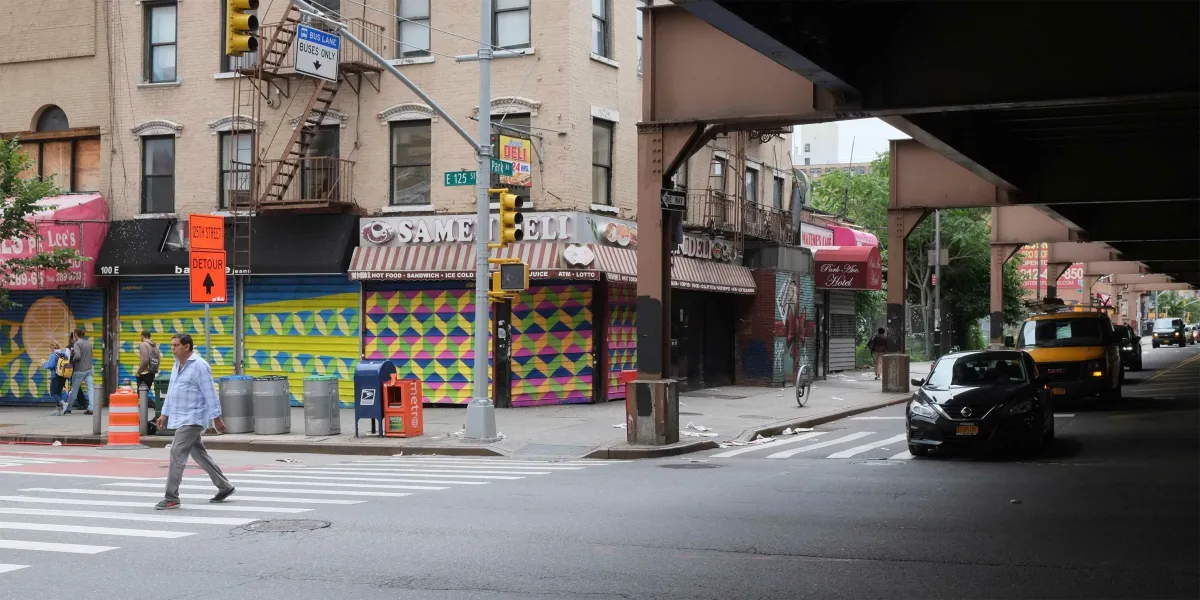 Photo: East Harlem, via www.mas.org
What started as curiosity—a vintage camera here, a handwritten letter there—evolved into something unprecedented: a 45,000-piece collection that would eventually force museums and historians to reconsider what deserves preservation.
Finding Gold in the Garbage
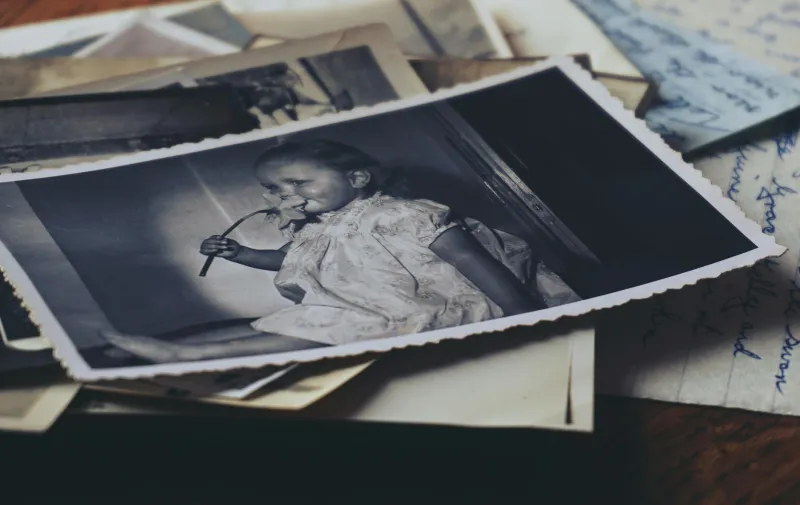
The rules were clear: sanitation workers weren't supposed to take anything from the trucks. But Molina couldn't ignore what he was seeing. Perfectly preserved photographs from the 1940s. Original artwork signed by unknown artists. Love letters that told stories of immigration, loss, and hope across generations of New Yorkers.
"I wasn't stealing," Molina would later explain. "I was saving."
His apartment became a carefully organized archive. Wedding photos were sorted by decade. Children's drawings were catalogued by neighborhood. Musical instruments—guitars, trumpets, violins—were cleaned and displayed alongside the sheet music found with them. Each piece carried a story that someone had decided to discard, but that Molina refused to let disappear.
The collection grew beyond his living space. His building's basement, then a storage unit, then multiple storage units. What others saw as hoarding, Molina understood as historical preservation happening at street level.
When the Art World Took Notice
Word of Molina's collection spread through New York's cultural underground. Artists, photographers, and historians began making pilgrimages to see what the "garbage man with the museum" had assembled. They found something remarkable: a people's history of New York, told through the objects that families had chosen to abandon during moves, deaths, and life changes.
Photographer Robin Nagle spent years documenting Molina's collection, recognizing that he had inadvertently created one of the most authentic archives of working-class New York life in existence. Gallery owners began asking about exhibitions. Historians realized that Molina's collection filled gaps in the official record that institutions had never thought to preserve.
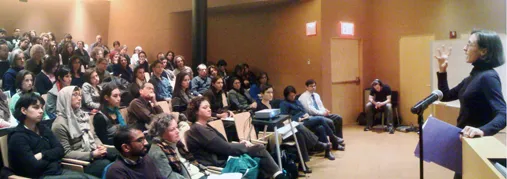 Photo: Robin Nagle, via freshkillspark.org
The irony wasn't lost on anyone: while museums spent millions acquiring artifacts through dealers and auctions, a sanitation worker had built a more comprehensive portrait of city life by simply paying attention to what people threw away.
The Museum That Almost Wasn't
Molina's supervisors eventually discovered his activities. The department's response was swift: cease collecting immediately or face termination. For most people, the choice would have been simple. For Molina, it was devastating. Thirty years of careful curation couldn't simply be abandoned.
The art community rallied. Galleries offered to house portions of the collection. Historians wrote letters defending the cultural value of what Molina had preserved. Local news stations ran features about the sanitation worker who had become an accidental archivist.
The pressure worked, partially. The city allowed Molina to keep his existing collection but maintained the prohibition on future collecting. His active years as curator were over, but his legacy was secure.
What Survives When We're Gone
Today, portions of Molina's collection are housed in galleries across New York. Pieces have been featured in exhibitions about immigration, urban life, and the hidden histories of American cities. Academic papers reference his collection as primary source material for understanding how families lived, loved, and lost in late 20th century New York.
But perhaps the most significant impact of Molina's work isn't what he preserved—it's what he proved about value and visibility. His collection demonstrated that significance doesn't only exist in the artifacts that institutions choose to save. Sometimes the most important stories are the ones being thrown away, waiting for someone with the right eyes to recognize their worth.
Molina never received formal training in archival science or museum curation. He didn't have advanced degrees in history or art. He simply understood that every discarded photograph represented someone's most precious memories, and every thrown-away letter contained a piece of the human experience that deserved better than a landfill.
The Lesson in the Refuse
Nelson Molina's story challenges how we think about expertise, preservation, and value. While credentialed curators debated acquisition policies in boardrooms, a sanitation worker was quietly assembling one of the most authentic portraits of American urban life ever created.
His collection reminds us that history isn't only made by the famous or preserved by the powerful. Sometimes it's saved by someone who simply refuses to let important things disappear, even when—especially when—everyone else has decided they're just trash.