The Maryland Socialite Who Hunted Nazis With a Wooden Leg
The Accident That Changed Everything
Virginia Hall was exactly the kind of woman 1930s America expected to marry well and disappear into comfortable obscurity. Born to a Baltimore family with old money and older expectations, she had the pedigree, the education, and the social connections to live a life of quiet privilege. Instead, she chose adventure.
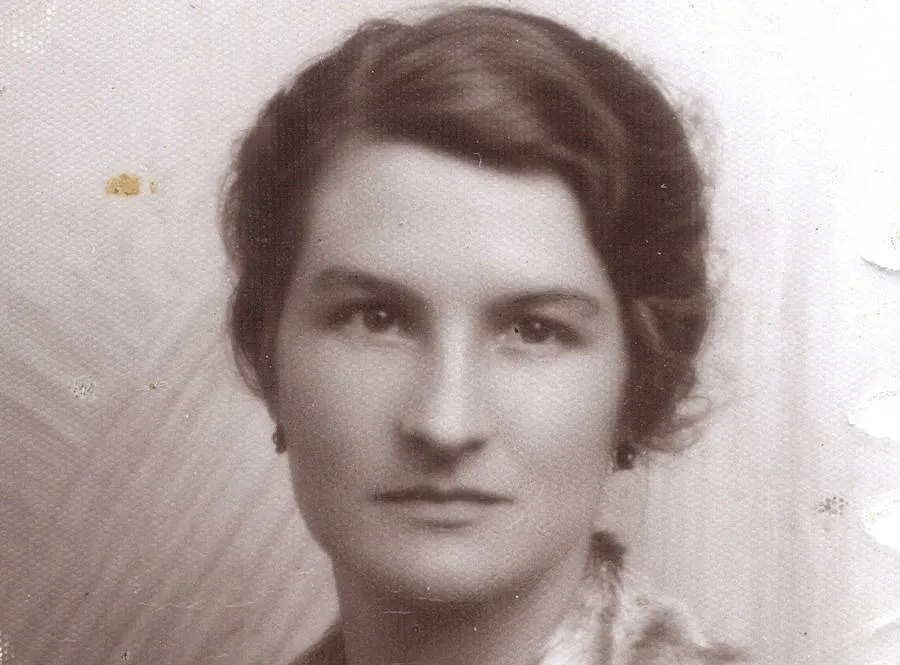 Photo: Virginia Hall, via allthatsinteresting.com
In 1933, while hunting in Turkey, Hall's shotgun accidentally discharged. The blast shattered her left leg below the knee, and despite multiple surgeries, doctors had to amputate. At 27, she found herself fitted with a wooden prosthetic she nicknamed "Cuthbert" — a companion she'd carry through some of the most dangerous missions of World War II.
The State Department saw her disability as disqualifying. Hall saw it as liberating.
The Rejection That Became a Gift
When Hall applied for a diplomatic position, the rejection letter was swift and brutal. The U.S. Foreign Service had no place for a woman with a wooden leg. What they couldn't see was that their dismissal had just freed one of America's most naturally gifted intelligence operatives from the constraints of conventional expectations.
With traditional paths closed, Hall found her way to London and the Special Operations Executive (SOE), Britain's wartime intelligence agency. Here, her aristocratic background, language skills, and most importantly, her ability to endure physical discomfort without complaint, made her exactly what they needed.
The wooden leg that had made her "unemployable" in Washington became psychological armor in occupied France. Hall had already survived losing a limb and rebuilding her life. What could the Nazis possibly do to her that she hadn't already overcome?
Behind Enemy Lines
In August 1941, Hall parachuted into Vichy France as Brigitte Lecontre, a correspondent for the New York Post. It was the perfect cover — American journalists could still move relatively freely in unoccupied France, and Hall's socialite background made her comfortable in the drawing rooms where resistance networks were born.
Operating out of Lyon, she built an intelligence network that would eventually span most of southern France. She coordinated supply drops, organized escape routes for downed Allied airmen, and recruited local resistance fighters. Her wooden leg, far from slowing her down, became part of her legend. French resistance fighters called her "The Limping Lady," a term of respect that acknowledged both her disability and her absolute fearlessness.
Hall's greatest asset wasn't her leg, though — it was her psychological makeup. The woman who had already rebuilt her identity once after losing a limb possessed an unshakeable sense of self. When Gestapo interrogators tried to break prisoners by attacking their deepest insecurities, they found nothing to grab onto with Hall. She had already faced her worst fears and come out stronger.
The Most Wanted Woman in France
By 1942, Hall's network had become so effective that Klaus Barbie, the notorious "Butcher of Lyon," made her capture his personal priority. The Gestapo plastered wanted posters across France: "The woman who limps is one of the most dangerous Allied agents in France. We must find and destroy her."
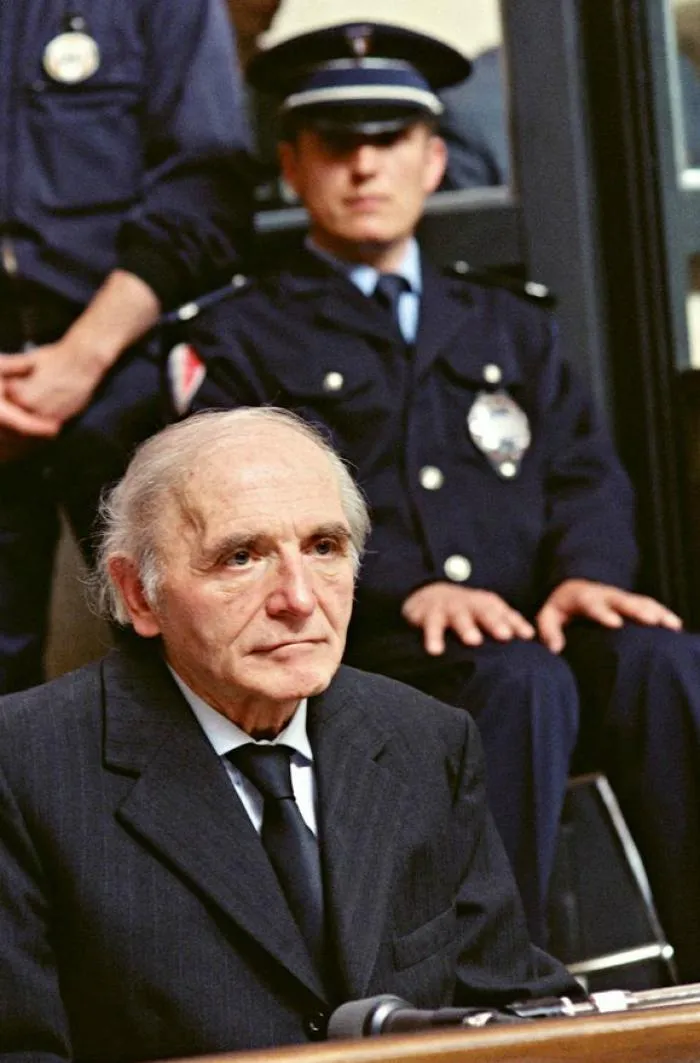 Photo: Klaus Barbie, via www.catholic.org
The irony was perfect. The disability that had made her unemployable in peacetime Washington made her instantly recognizable to Nazi hunters — and absolutely unstoppable in the field. Hall had learned to use Cuthbert not as a limitation but as a tool. She could feign greater disability when it served her cover, or demonstrate unexpected mobility when she needed to escape.
When the Germans occupied all of France in November 1942, Hall had to flee across the Pyrenees on foot. The journey that would challenge any operative became a particular ordeal for someone with a wooden leg. But Hall had spent years learning to push through physical discomfort. She made the crossing and lived to fight another day.
The Second Act
Most spies would have considered themselves lucky to survive one tour in occupied Europe. Hall demanded another assignment. In 1944, she parachuted back into France, this time working for the American OSS (predecessor to the CIA). Now operating in central France, she coordinated resistance activities in preparation for D-Day, helping to ensure that German reinforcements would face sabotaged railways and coordinated uprisings.
After the war, Hall continued her intelligence career with the newly formed CIA, becoming one of its first female operations officers. She served until 1966, when mandatory retirement finally did what the Nazis never could — force Virginia Hall to stop working.
The Strength in Being Underestimated
Virginia Hall's story reveals something profound about the relationship between limitation and liberation. The State Department's rejection, rooted in narrow assumptions about disability and capability, freed her from the constraints of conventional career paths. The wooden leg that made her "unemployable" in peacetime made her invaluable in war.
Her disability became her superpower not because it gave her special abilities, but because it forced her to develop an unshakeable sense of self-worth independent of others' approval. When you've already proven to yourself that you can rebuild your life after losing a limb, the threat of Nazi interrogation loses some of its power.
Hall died in 1982, having lived to see women and people with disabilities gain opportunities that had been closed to her generation. But perhaps she wouldn't have traded her path for an easier one. After all, the woman who was too disabled for the State Department became the spy the Nazis feared most.
Sometimes the world's rejection is the greatest gift it can give you — it forces you to discover what you're really made of.