Thrown From Every Horse, Destined for Greatness: The Clumsy Easterner Who Painted the American West
The Worst Cowboy in Kansas
Frederic Remington arrived in Kansas Territory in 1883 with $3,000, dreams of becoming a cattle baron, and absolutely no idea what he was doing. The 22-year-old from upstate New York had the build of a football player—which he had been at Yale—but the horseback riding skills of a sack of flour.
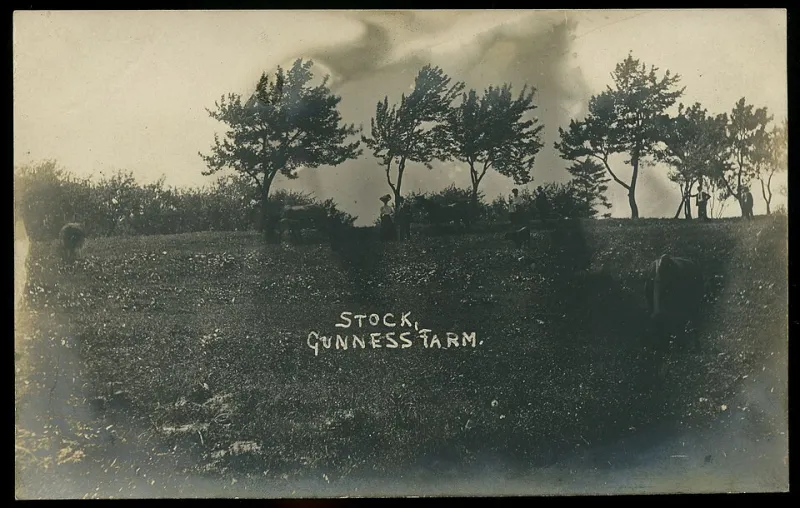
 Photo: Kansas Territory, via i.ytimg.com
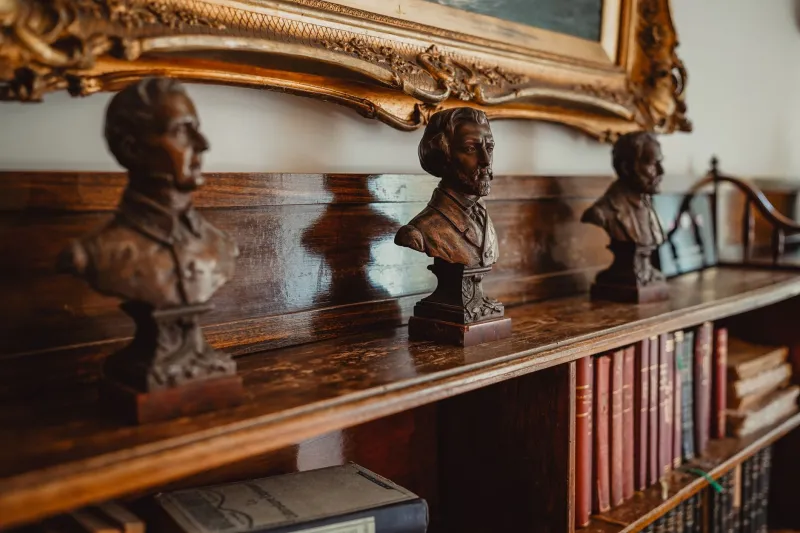
 Photo: Frederic Remington, via bessergesundleben.de
Within months, he'd been thrown from every horse on his ranch. His cattle wandered off regularly. His business partners started avoiding him. Local cowboys snickered when the big Eastern boy showed up in town, usually limping from his latest equestrian disaster.
By 1884, Remington was broke, humiliated, and facing the reality that he was possibly the least successful rancher in the American West.
When Failure Becomes Art
Stuck in a bunkhouse with nothing but time and wounded pride, Remington started doing the one thing he'd always been decent at: drawing. He sketched the cowboys who outclassed him daily, the horses that threw him weekly, and the vast landscape that had defeated his business dreams.
What started as idle doodling became obsession. Remington filled sketchbook after sketchbook with scenes from his failed frontier life. He drew bronco busters mid-ride, cattle drives at sunset, and gunfighters in saloons—all the romantic Western imagery that his own experience had proven was mostly myth.
The irony was perfect: the man who couldn't live the cowboy life was becoming its greatest visual chronicler.
From Ranch Hand to Art Star
When Remington finally admitted defeat and returned East in 1885, he carried those sketches with him. A friend suggested he try selling some illustrations to magazines. Harper's Weekly bought his first submission—a drawing of cowboys around a campfire—for $25.
It was more money than he'd made in months of ranching.
Remington discovered he had a gift for capturing the drama and movement of Western life that resonated with Eastern audiences hungry for frontier stories. His illustrations began appearing regularly in major magazines, each one building his reputation as the artist who "really knew" the West.
The Authentic Fake
The beautiful irony of Remington's career was that his greatest strength came from his greatest weakness. Because he'd failed so spectacularly at being a real cowboy, he understood the mythology from the outside. He painted the West that Americans wanted to believe in, not necessarily the West that existed.
His bronze sculptures of bucking broncos captured split-second moments of drama that actual cowboys spent most of their time trying to avoid. His paintings of cavalry charges and Indian battles depicted conflicts with a cinematic flair that made them feel more real than reality.
Remington had stumbled onto a profound truth about American culture: sometimes the person who fails at living the myth is the best person to create it.
Building a Legend From Broken Dreams
By the 1890s, Remington was the highest-paid illustrator in America. His images appeared on everything from magazine covers to cigar boxes. Theodore Roosevelt commissioned him to illustrate his own Western adventures. Museums fought to acquire his paintings and sculptures.
 Photo: Theodore Roosevelt, via img.pconline.com.cn
The failed rancher had become the visual voice of the American frontier, all because he'd been too clumsy to actually succeed at frontier life.
The Unlikely Master of the West
Remington's story reveals how sometimes our greatest disasters redirect us toward our true calling. His inability to master horses led him to master their depiction. His failure at ranch life gave him the perspective to romanticize it perfectly for audiences who would never experience it themselves.
When he died in 1909, Remington left behind over 3,000 paintings and drawings that had fundamentally shaped how Americans visualized their own history. The cowboy image that still appears in movies, advertisements, and political campaigns today traces directly back to the sketches of a man who couldn't stay in the saddle.
Sometimes the best way to capture the spirit of something is to fail at it completely first. Frederic Remington proved that the view from flat on your back in the dirt might be exactly the perspective you need to see clearly.