The Letters That Moved Mountains: Five Correspondences That Quietly Reshaped America
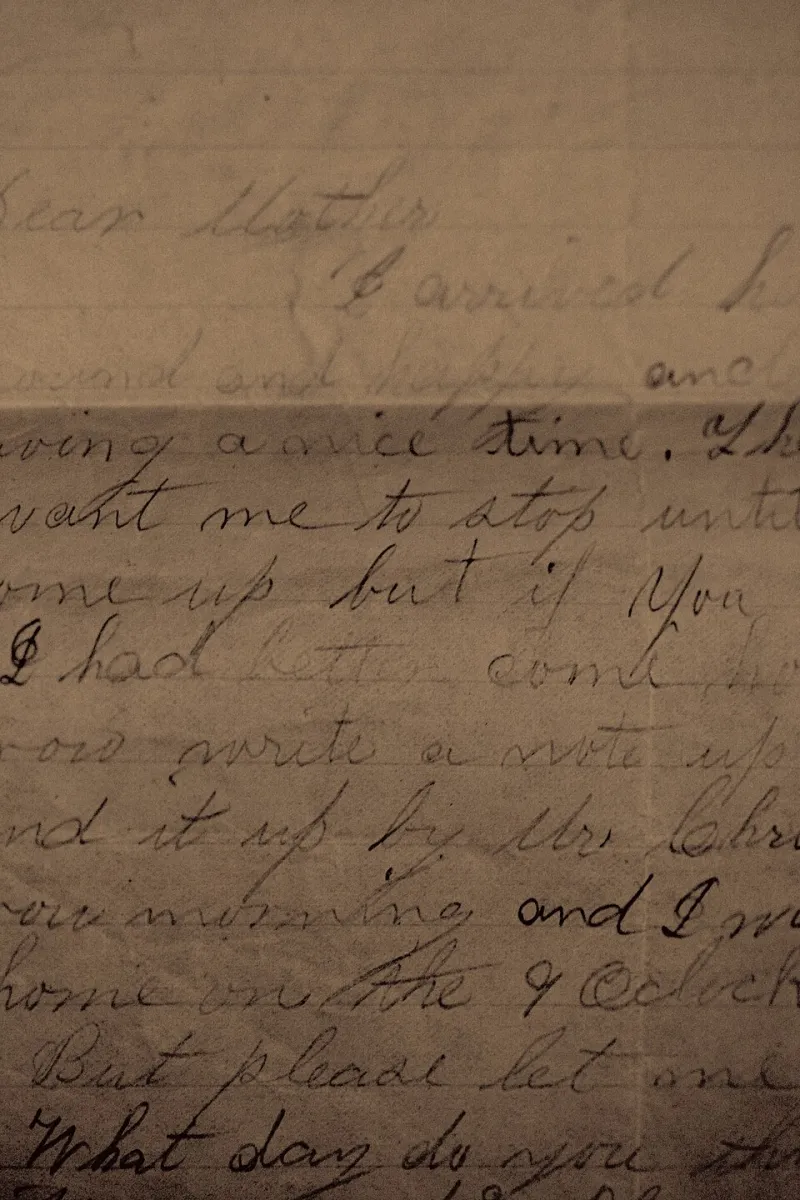
Photo: Pink Sherbet Photography from USA, CC BY 2.0, via Wikimedia Commons
We tend to imagine history being made in rooms — in meeting halls and war tents and corner offices, by people who could look each other in the eye and press flesh and read the room. But some of the most consequential relationships in American history never worked that way at all. They happened on paper, across distances that made physical meetings impossible or dangerous or simply beside the point.
What follows are five of those correspondences — five pairs of unlikely pen pals whose written exchanges did something that no face-to-face meeting could have achieved quite as well. Distance, it turns out, has its own kind of power. So does the written voice, stripped of distraction and forced to make every word count.
Frederick Douglass and Abraham Lincoln: The Letter That Opened a Door
By the time Frederick Douglass first wrote to Abraham Lincoln in 1863, he had already spent two decades as the most prominent Black voice in American public life. He had lectured across the country and in Europe, written his autobiography, founded a newspaper, and argued the abolitionist cause with a rhetorical force that left audiences shaken. He had also spent years being deeply skeptical of Lincoln, whom he considered too slow, too cautious, and too willing to compromise on questions that Douglass regarded as non-negotiable.
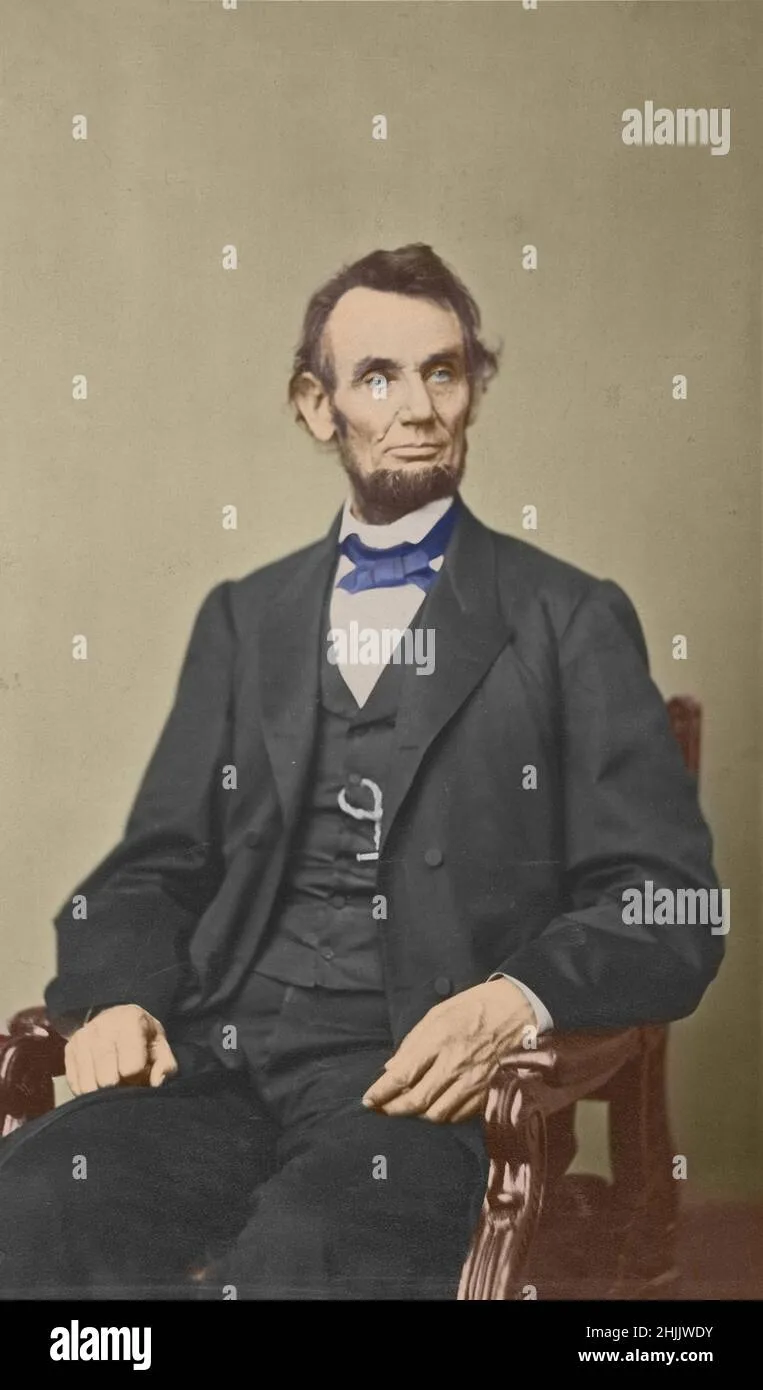 Photo: Abraham Lincoln, via c8.alamy.com
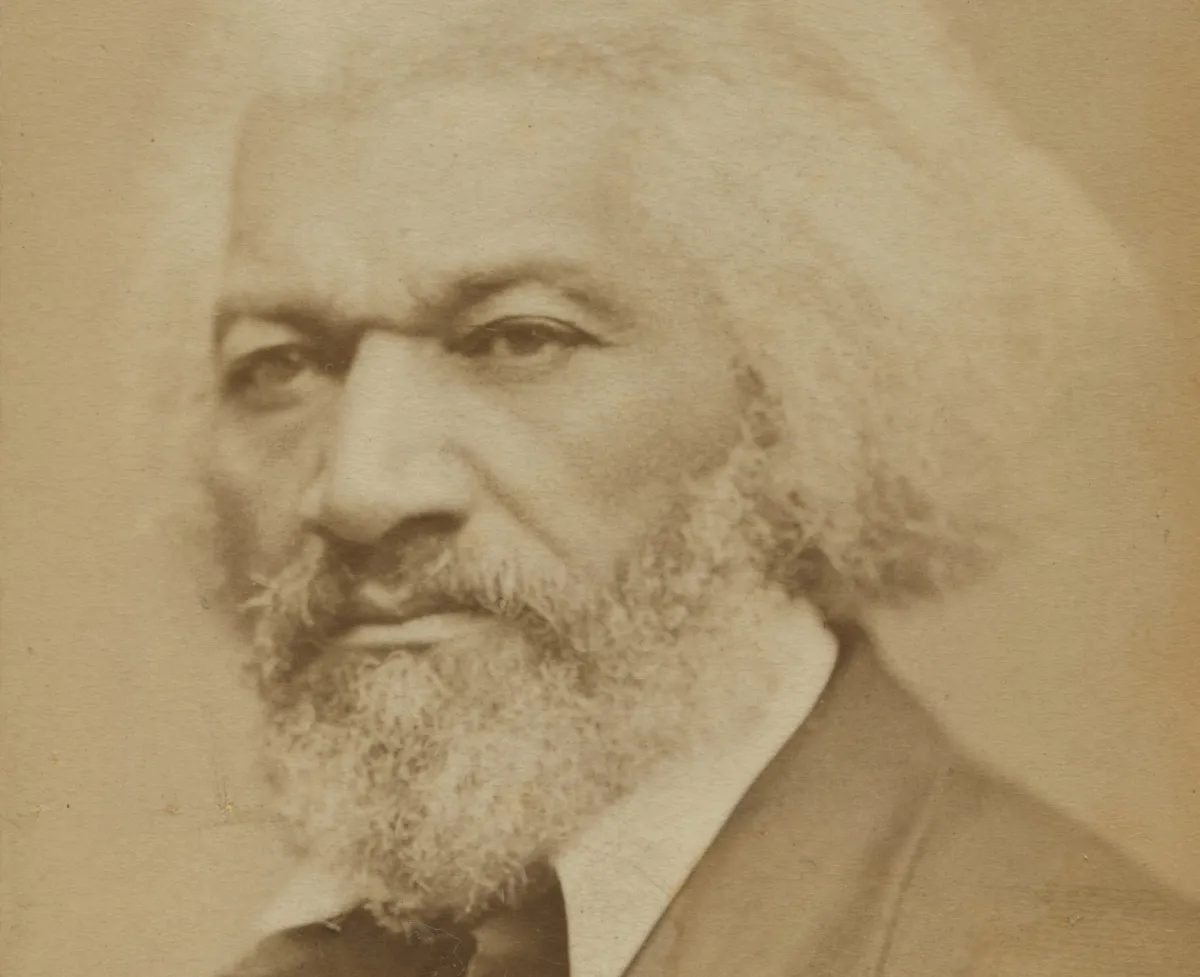 Photo: Frederick Douglass, via www.reuters.com
What changed things wasn't a speech or a summit. It was letters — and eventually meetings that grew from those letters — in which Douglass pushed Lincoln directly on the treatment of Black soldiers in the Union Army, on the question of equal pay, on the administration's willingness to negotiate away emancipation in exchange for peace. Douglass was not diplomatic. He was precise and relentless, the way a man is when he knows the stakes personally.
Lincoln, to his considerable credit, listened. The correspondence and subsequent meetings between these two men — one a formerly enslaved person who had escaped bondage, the other the president navigating the most fractured political landscape in American history — produced a genuine shift. Lincoln later told Douglass that he considered him one of the most remarkable men he had ever met. Douglass, in turn, delivered the eulogy at a memorial gathering after Lincoln's assassination, calling him "emphatically the black man's president."
It had started with a letter.
Ida B. Wells and the British Press: The Ocean That Became a Megaphone
In the 1890s, Ida B. Wells was conducting the most dangerous investigative journalism in America — documenting the epidemic of lynching in the South with a statistical rigor and moral fury that the American press largely refused to amplify. The threats against her were serious enough that she had already been driven out of Memphis. Domestic outlets that might have published her work were either hostile or afraid.
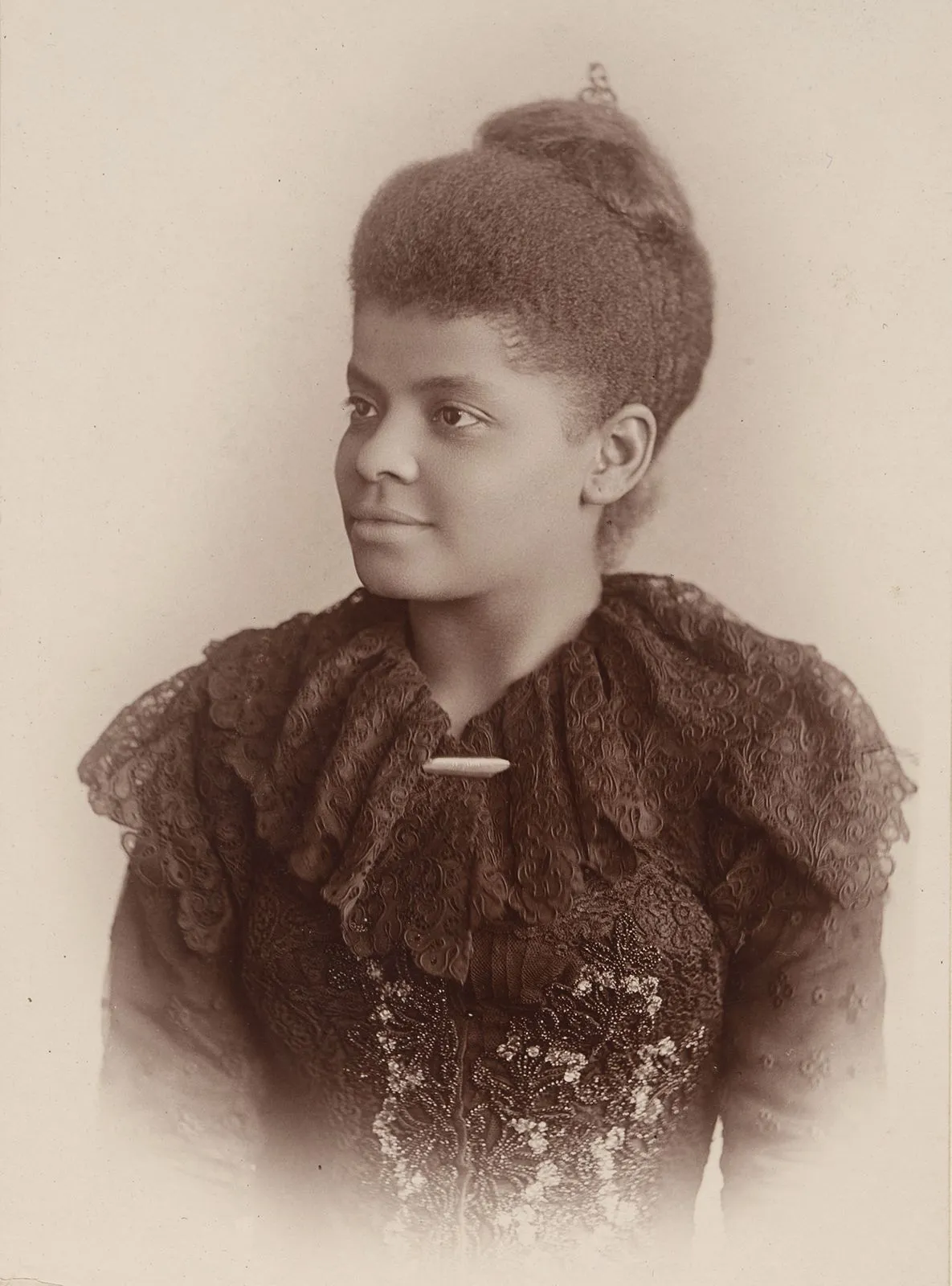 Photo: Ida B. Wells, via cdn.britannica.com
So she took her case to England.
Through a transatlantic correspondence with British reformers and journalists — and eventually two speaking tours that she organized largely through written exchanges — Wells built an international audience for her findings that American editors couldn't ignore once European newspapers began running her work. The British anti-lynching committees that formed in response to her correspondence created a diplomatic embarrassment that put pressure on American politicians in ways that domestic advocacy alone had failed to achieve.
Wells understood something important: sometimes the most effective way to be heard at home is to be heard somewhere else first. Her letters to Britain didn't just build allies. They built leverage.
Benjamin Banneker and Thomas Jefferson: The Mathematician Who Called Out a Contradiction
In 1791, Benjamin Banneker — a self-taught free Black mathematician, astronomer, and farmer from Maryland — sat down and wrote a letter to Thomas Jefferson that was, depending on your perspective, either extraordinarily audacious or simply logical. Banneker had recently completed the calculations for the first American almanac to be published under his name. He was also aware that Jefferson, who had written that all men were created equal, owned more than a hundred enslaved people.
His letter said so, directly. He enclosed a manuscript copy of his almanac as evidence of what Black intellectual capacity looked like when it was given even a fraction of the opportunity afforded to white men. He asked Jefferson, politely but without any apparent inclination to soften the point, how a man who had written those words about equality could reconcile them with his conduct.
Jefferson's response was careful and ultimately evasive — he praised Banneker's abilities while declining to engage seriously with the moral argument. But Banneker published both letters anyway, and the exchange circulated widely. It became one of the earliest and most pointed written challenges to the contradiction at the heart of American founding ideology, and it came from a man who had taught himself mathematics by candlelight.
Henrietta Lacks and the Scientists Who Never Wrote Back
This one runs in reverse — and that reversal is part of the point. Henrietta Lacks died of cervical cancer in 1951. Cells taken from her tumor without her knowledge or consent became the HeLa cell line, one of the most important tools in modern medical research, used in the development of the polio vaccine and countless other advances. Lacks herself received no communication, no consent, no compensation, and no credit. Her family learned of her cells' existence years after her death.
The silence in this correspondence — the letters that were never written, the conversations that never happened — is itself a kind of document. It records what the medical establishment of mid-twentieth-century America believed about whose knowledge mattered, whose body required explanation, and who deserved to be treated as a participant rather than a resource.
What eventually changed that silence was, again, the written word: the journalism and books that brought Lacks's story to public attention decades later, forcing a reckoning with the ethics of medical research and the meaning of informed consent. The letters that should have been written in 1951 were finally, imperfectly, written by proxy — long after they could have made a difference to Henrietta Lacks herself.
Eunice Newton Foote and the Scientific Establishment: The Paper Nobody Read
In 1856, Eunice Newton Foote — an amateur scientist and women's rights activist from New York — submitted a paper to the American Association for the Advancement of Science describing an experiment she had conducted with glass cylinders, sunlight, and various gases. Her finding: carbon dioxide trapped heat more effectively than other gases, and an atmosphere with more of it would produce a warmer planet.
She had, in other words, described the greenhouse effect, three years before the Irish physicist John Tyndall received credit for the same discovery.
Foote's paper was read aloud at the conference not by her — women weren't permitted to present — but by a male colleague. It was then largely forgotten for more than a century, while Tyndall's subsequent and more mathematically detailed work became the foundation of climate science. Foote's written contribution sat in the archive, uncredited.
Her rediscovery, when it came in 2011, arrived through the same medium she had originally used: a researcher combing through old scientific journals found her name in a footnote and followed the thread. The paper she had written in 1856 finally got read by the audience it deserved — 155 years late, but intact.
What the Letters Knew
These five stories share a stubborn common thread. In each case, the written word did something that the social structures of the era made impossible any other way. It crossed barriers of race, gender, geography, and institutional gatekeeping. It preserved arguments that powerful people would have preferred to forget. It built relationships across distances that would otherwise have kept people permanently apart.
The letters that changed America weren't always eloquent. Some were blunt. Some were angry. Some were never answered. But they all understood something essential: that putting words on paper is an act of faith that the right reader exists somewhere, and that finding them is worth the effort.
Sometimes it takes 155 years. Sometimes it takes a single envelope in the right mailbox. Either way, the words wait.